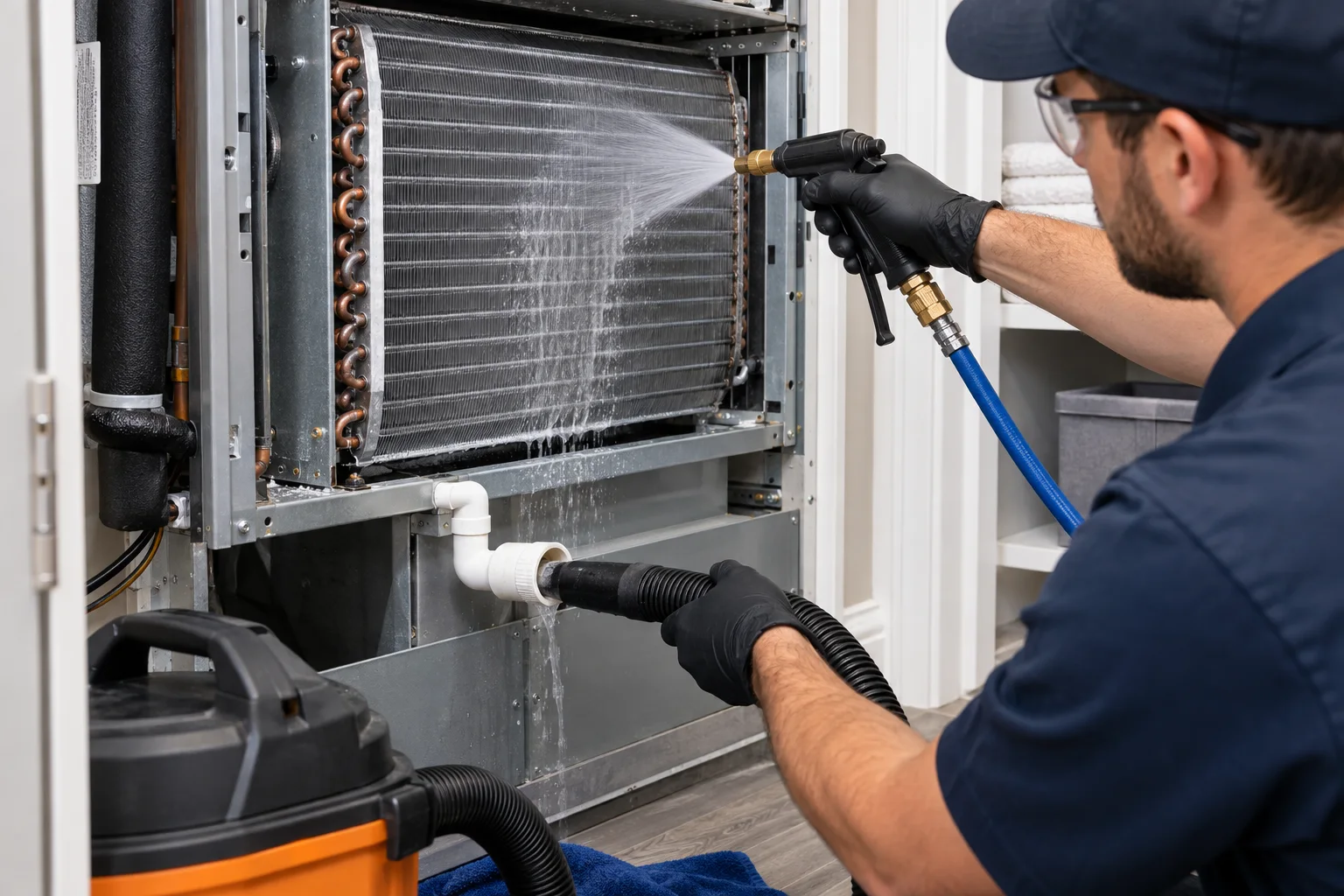
Amana central heating service in Dunedin: start with the symptoms
Uneven temperatures, weak airflow, or a system that runs for a long time can be frustrating. Those symptoms do not, by themselves, identify a failed part. Filters, airflow restrictions, ductwork, controls, equipment condition, and the layout of the home can all affect comfort. An inspection should connect what the system is doing with what you are experiencing in each room.
Amana is the equipment brand, not a diagnosis. Central heating systems differ by model and configuration, so have the equipment label or model information available when you schedule service if you can access it safely. The technician can confirm what type of system is installed and which checks apply.
What uneven heating can involve
When one room feels different from another, a service visit may need to consider both the heating equipment and how air is distributed through the home. A dirty or unsuitable filter, blocked return path, closed or obstructed register, duct leakage, a control issue, or a system performance problem are possible areas to investigate. More than one factor can contribute.
Long run times or repeated shutdowns also warrant evaluation, but do not prove a particular component has failed. A useful repair recommendation explains what was tested, what the results show, and how the proposed work relates to the comfort complaint. If the recommendation is to replace a part, ask what evidence supports that choice and whether other contributing conditions were checked.
Safe observations to make before the visit
You can gather useful information without opening the equipment or attempting a repair. Note which rooms are affected, whether the issue occurs at particular times, the thermostat setting, and whether airflow seems different at particular registers. If the thermostat displays a code or message, write it down or take a photo. Record unusual sounds or changes in how often the system starts and stops.
- Check that the thermostat is set to the intended heating mode and temperature.
- If the filter is readily accessible, check its condition and follow the equipment or filter instructions for replacement. Do not force access or operate without a filter.
- Look for furniture, rugs, or other items blocking accessible supply and return grilles.
- From a safe position, note visible damage or water around the equipment; do not remove panels or reach inside.
- Have the model information available if it can be read without moving or opening the equipment.
These observations help describe the problem, but they cannot confirm the cause. Leave testing and repair to a qualified technician.
When to stop using the system and seek help
Stop and arrange professional help if you notice a burning odor, exposed wiring, repeated breaker trips, active water damage, or another condition that appears unsafe. Do not repeatedly reset a tripping breaker, bypass a limit switch or other safety control, open electrical panels, or handle refrigerant. If a carbon monoxide alarm sounds, leave the home and contact emergency services; do not wait for a heating-service appointment.
A homeowner can report what happened and turn the system off if it can be done safely. Electrical testing, access to internal components, refrigerant work, and safety-control checks are technician tasks. If you are uncertain whether an observation is safe, do not approach or touch the equipment.
What a thorough service evaluation should cover
The technician should first understand the complaint: which spaces are uncomfortable, when the issue occurs, and whether it is constant or intermittent. Depending on the system and the reported symptoms, the evaluation may include operating checks, airflow and filter condition, accessible supply and return paths, controls, and relevant heating components. A technician can explain which tests are appropriate for the confirmed equipment configuration.
For an uneven-heating complaint, ask whether the inspection considered distribution as well as the heating equipment. Duct condition, obstructions, and room airflow can matter alongside the equipment’s operation. The findings should distinguish what was observed or measured from what remains uncertain, and explain whether further inspection is needed before recommending work.
Before authorizing a repair, ask for the diagnosis, proposed scope, and options in writing. If a part replacement is recommended, ask whether the work addresses the underlying comfort concern or only one finding. Do not assume that a new control, motor, or other component will correct room-to-room differences without evidence that it is the cause.
Amana parts and warranty questions
Ask whether a proposed replacement part is a genuine Amana part and whether it is appropriate for the confirmed model. Genuine-parts options should be considered in context; the technician should verify compatibility rather than relying on the brand name alone. Parts availability and suitability need to be confirmed for the equipment being serviced.
If the equipment may be under warranty, ask what coverage applies and whether the proposed work could affect it. Warranty terms depend on the specific equipment and circumstances, so request verification rather than assuming a repair is covered. Keep the service findings and work scope with your equipment records.
If refrigerant service is indicated on a heat-pump system, refrigerant handling should be performed by an EPA-qualified technician. A homeowner should not attempt to add, remove, or otherwise handle refrigerant.
Scheduling central heating service in Dunedin
When you call, describe the symptoms, rooms affected, any displayed code, and any safety concern. Share the equipment model information if available, but do not delay reporting an unsafe condition while trying to locate a label. Ask what appointment timing applies to your situation and what you should do while waiting.
Qualified 24/7 availability includes nights and weekends. Qualified same-day or next-available dispatch is offered; ask which timing applies when scheduling. There is no extra charge for nights or weekends. Availability and dispatch timing should be confirmed for the service request.
Common questions
Does uneven heating mean the Amana system needs a new part?
No. Uneven heating can have several possible causes, including airflow or duct conditions as well as equipment operation. The technician should inspect and explain the findings before identifying a repair.
Should I change the thermostat setting repeatedly to test the system?
Instead, note the setting and what happens over time. Frequent adjustments can make the original pattern harder to describe. If the system behaves unsafely or repeatedly trips a breaker, stop using it and arrange professional help.
How do I decide between repair and replacement?
Compare the verified condition, equipment age, repair history, parts availability, comfort, and the full scope of any proposed replacement. Ask for the reasoning and options in writing. The brand alone does not determine whether repair or replacement is appropriate.
Next step: Request an evaluation for the specific comfort issue, then review the findings and proposed scope before approving work.