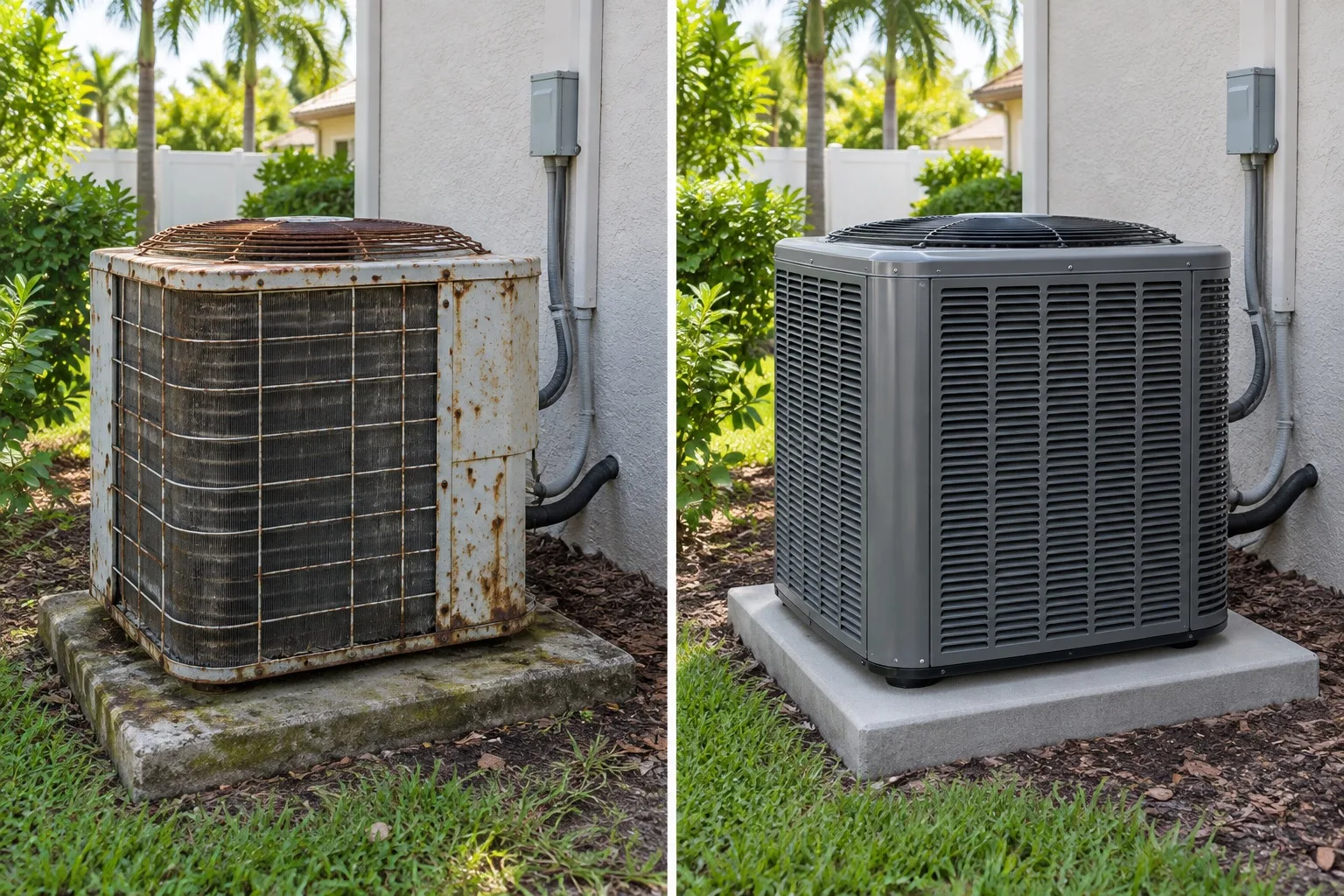
Bryant Gas Furnace Maintenance in Oldsmar
A gas furnace that runs only during cooler periods may sit unused for months between heating cycles. Before relying on it again, a maintenance visit can give a technician an opportunity to inspect its condition, clean or adjust components when appropriate, and check how it operates. For Oldsmar homeowners, this is a practical way to address concerns before the next stretch of cool weather—not a guarantee that a furnace will never need repair.
Maintenance is different from a repair visit. It focuses on inspection and routine service; if a technician finds a problem, they should explain what they observed and discuss next steps. A symptom alone does not confirm which component is responsible. Decisions about repair or replacement should be based on the equipment’s condition and appropriate testing, not on a guess.
What a Maintenance Visit May Include
The work depends on the Bryant furnace model, its condition, and the manufacturer’s instructions. A technician can review the equipment and perform applicable checks, which may include:
- Inspecting accessible furnace components, burners, ignition, controls, and wiring for signs of wear, damage, or operating concerns.
- Checking the heat exchanger and venting components using appropriate inspection procedures. An inspection has limits; it should not be described as proof that a furnace can never produce or release carbon monoxide.
- Checking system operation and safety controls, and evaluating combustion or other operating measurements when applicable to the model and service procedure.
- Inspecting the blower and airflow-related components, and checking or replacing the air filter when needed and compatible with the equipment.
- For a condensing furnace, checking applicable condensate components and drainage. Not every gas furnace has these components.
The technician should explain relevant findings and identify any recommended work separately from routine maintenance. Cleaning, adjustment, or replacement is not automatically needed at every visit. If a repair requires a part, the technician can discuss compatible options; genuine Bryant parts may be used when appropriate. Parts and service should be handled with the equipment’s warranty terms in mind, without promising that a maintenance visit will preserve or extend coverage.
Carbon Monoxide Concerns and Safe Next Steps
Carbon monoxide is an odorless gas, so smell is not a reliable way to determine whether it is present. A carbon monoxide alarm is an important household safety device, but it does not replace professional furnace inspection or maintenance. Follow the alarm manufacturer’s instructions and keep alarms installed and maintained as directed.
If a carbon monoxide alarm sounds, or anyone has symptoms that could indicate exposure, leave the building and call 911 or the appropriate emergency service from a safe location. Do not re-enter until authorities say it is safe. If you smell gas, leave without operating switches or using devices inside, then contact emergency services or the gas utility from outside. Do not try to inspect the burner, heat exchanger, gas valve, or other internal furnace components yourself.
Unusual sounds, soot, repeated shutdowns, or a change in how the furnace operates are reasons to stop relying on assumptions and arrange an evaluation. They can have more than one possible cause and do not, by themselves, prove that a particular part has failed. If the furnace appears unsafe, turn it off only if you can do so safely and seek professional guidance.
What Homeowners Can Check
Homeowners can keep the area around the furnace clear, check the thermostat settings, and look at the air filter if it is safely accessible. Follow the furnace and filter instructions when changing it; use the specified size and type, and do not force a filter into place. A clogged or incorrectly fitted filter can affect airflow, but a filter change does not replace equipment maintenance.
Note when a concern occurs, such as whether the furnace starts, stops, or makes a particular sound. This information can help a technician investigate. Leave combustion, electrical, gas, venting, and internal component work to a qualified technician. Do not remove access panels to examine the furnace or attempt to clean or adjust its internal parts.
When to Schedule Maintenance
Consider arranging maintenance before the heating season or after a long period without use. Follow the maintenance interval in the owner’s manual and any applicable manufacturer guidance; an annual inspection is a common planning choice, not a guarantee against breakdowns. If the furnace is already showing a problem, tell the service provider when booking so the visit can be planned appropriately. A concern that needs diagnosis may require work beyond routine maintenance.
Velocity Air Conditioning offers 24/7 service availability, including nights and weekends, and qualified same-day or next-available dispatch, subject to availability and the circumstances of the request. There is no extra charge for nights or weekends. Availability does not mean a particular arrival time or same-day dispatch is guaranteed.
Bryant Equipment and Warranty-Aware Service
Bryant equipment varies by model and system configuration. Evolution System intelligence and Perfect Humidity control are Bryant brand descriptors associated with particular equipment or features; they should not be assumed to describe every gas furnace. A technician can identify the installed model and explain which features apply to that system.
Keep service records and consult the warranty documents for the equipment’s specific terms. Maintenance and documentation can be warranty-aware, but coverage requirements vary. Ask what work was completed and retain the invoice or service notes; do not assume that any one visit satisfies every warranty condition. When a repair is recommended, ask whether the proposed parts are compatible and whether genuine Bryant components are appropriate for the equipment.
Questions About Gas Furnace Maintenance in Oldsmar
Does a maintenance visit confirm there is no carbon monoxide risk?
No inspection should be presented as an absolute guarantee of future safety. A technician can inspect applicable components and perform appropriate operating checks, but conditions can change and inspections have limits. Use carbon monoxide alarms as directed, respond to alarms immediately, and seek professional help for furnace concerns.
Does maintenance mean my furnace needs repair or replacement?
No. Maintenance provides an opportunity to inspect and service the equipment. If a concern is found, the technician should explain the observations and any test results before recommending repair or replacement. A symptom alone does not establish that a component has failed or that the furnace must be replaced.
How do I prepare for a service visit?
Make the furnace and thermostat accessible, note any recent operating changes, and have the model information or owner’s manual available if convenient. Do not open the furnace or attempt internal cleaning before the visit. If you suspect a gas leak or carbon monoxide exposure, follow the emergency steps above rather than waiting for a routine appointment.
For Bryant gas furnace maintenance in Oldsmar, share the furnace model if known and describe any concerns when scheduling. The technician can assess the equipment, explain applicable maintenance, and discuss any further work based on the findings.