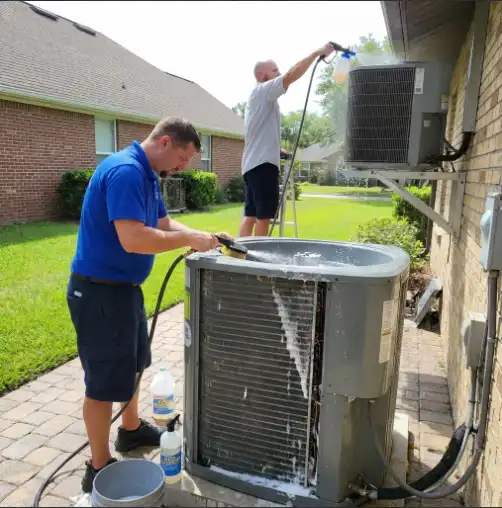
Bryant Heating System Tune-Up in Dunedin
A heating tune-up is planned maintenance, not an emergency repair and not a promise that a system will never break down. For a Bryant heat pump in Dunedin, a professional visit can check how the equipment operates in heating mode, identify issues that merit attention, and give you a record of the work performed. Since many Florida homes rely heavily on cooling, it can be easy to overlook the heating side of a heat pump. Checking it before you need steady heat helps you understand its condition and address concerns in a timely way.
The exact work depends on the Bryant model, system configuration, condition, and what the technician observes. A tune-up does not automatically include repair or replacement of a part. If the equipment is not heating properly, tell the technician what you have noticed; the cause should be investigated rather than assumed from the symptom.
What a Bryant Heat Pump Tune-Up May Cover
A heat pump moves heat between the home and outdoors. In heating mode, its controls and refrigerant circuit operate as part of a system that also provides cooling. A technician can assess operation in the modes appropriate to the equipment and conditions, then explain any findings. Depending on the model and visit, checks may include:
- Reviewing thermostat settings and system operation, including whether the equipment responds to a call for heat.
- Inspecting accessible electrical connections and controls for signs of wear or concerns that require attention.
- Checking airflow and the condition of the indoor and outdoor equipment. The technician may identify a dirty filter, blocked return, or other airflow concern.
- Looking over the outdoor coil and surrounding area, and noting debris or other conditions that may affect operation.
- Checking the refrigerant circuit and the heat pump’s heating and cooling operation as appropriate. Refrigerant work is for an EPA-qualified technician, not a homeowner.
- Checking system functions, including the reversing valve where applicable, and reporting unusual operation or a need for further diagnosis.
- Reviewing the service findings with you and documenting maintenance or recommended follow-up.
This list is not a guarantee that every item is included in every appointment. Ask what the scheduled tune-up covers, and request an explanation before authorizing additional repair work. If a component appears to need repair, inspection and testing—not the tune-up label or one symptom alone—should guide the recommendation.
What Dunedin Homeowners Can Check Safely
You can make a few observations without opening equipment panels or handling electrical or refrigerant components. Check that the thermostat is set to heat when you want heating, and note the displayed temperature and any messages. Look at the air filter and replace it if it is dirty, following the filter’s instructions and the equipment guidance. Keep supply vents and return grilles unobstructed.
From a safe position, look for visible debris around the outdoor unit and listen for a new or unusual sound. Do not reach into the equipment, remove panels, spray the coil, or try to adjust wiring, refrigerant lines, or internal controls. If you notice water near indoor equipment, a burning smell, repeated breaker trips, or unusual operation, stop troubleshooting and contact a qualified service professional. If there is an immediate safety concern, follow appropriate safety procedures and do not operate the system.
When you contact the service team, share when the issue started, whether it occurs in heating or cooling, and any thermostat message or sound you observed. These details can help guide the inspection, but they do not establish which part is at fault.
Timing and Service for Heating Concerns
For routine maintenance, schedule a visit before you expect to rely on heating. If your heat pump is already not keeping the home comfortable, describe the current problem when booking so the visit can be planned as a service assessment rather than treated as a routine tune-up by default.
Qualified 24/7 service availability includes nights and weekends. Qualified same-day or next-available dispatch may be available depending on scheduling and the service needed; timing is confirmed when you contact the team. There is no extra charge for nights or weekends. A maintenance appointment and an urgent service call are different needs, so explain which one applies and ask what the visit will involve.
Bryant Features, Parts, and Warranty-Aware Service
Bryant equipment varies by model and configuration. Some Bryant product descriptions use the terms Evolution System intelligence and Perfect Humidity control; confirm whether those descriptors apply to your particular equipment before relying on them. The model number on the equipment documentation can help the technician identify the system and check its relevant specifications.
When a part is appropriate for a repair, genuine Bryant parts may be used, subject to the equipment and part needed. A tune-up or service visit should be handled with the manufacturer’s documentation and warranty terms in mind, but it does not itself guarantee warranty coverage or establish that a particular maintenance schedule is required. Keep the service record and ask which work was completed, what parts were used, and whether any recommendation relates to your model’s warranty terms. Refrigerant handling should be performed by an EPA-qualified technician.
Questions About a Bryant Heating Tune-Up
Does a tune-up prevent a breakdown?
No tune-up can guarantee that a heat pump will avoid a future problem. Maintenance allows a technician to check operation and report observed concerns; equipment can still require repair. If heating performance changes after the appointment, contact a service professional and describe what is different.
Does every tune-up include a refrigerant adjustment?
No. A technician should inspect and evaluate the system rather than assume that refrigerant needs adjustment. If refrigerant work is indicated, it should be handled by an EPA-qualified technician. Ask the technician to explain the finding and any proposed work.
Can I check the reversing valve myself?
No. Homeowners should not open the heat pump or test internal components. A heating or cooling symptom does not by itself prove that the reversing valve has failed. A technician can inspect system operation and determine whether that component or another issue needs attention.
How often should I schedule maintenance?
Follow the maintenance guidance for your specific Bryant model and discuss the system’s use and condition with a qualified technician. A service record can help you track visits and findings, but avoid assuming that one schedule or warranty rule applies to every Bryant system.
Book the Right Visit for Your Dunedin Home
If your Bryant heat pump is operating normally, ask about scheduling a maintenance tune-up and what the visit includes. If it is not heating as expected, mention the symptoms when you call so the team can arrange the appropriate service assessment. A clear description, safe homeowner observations, and model-specific inspection help keep the visit focused on your equipment—without treating routine maintenance as an emergency or promising a result before the system is checked.