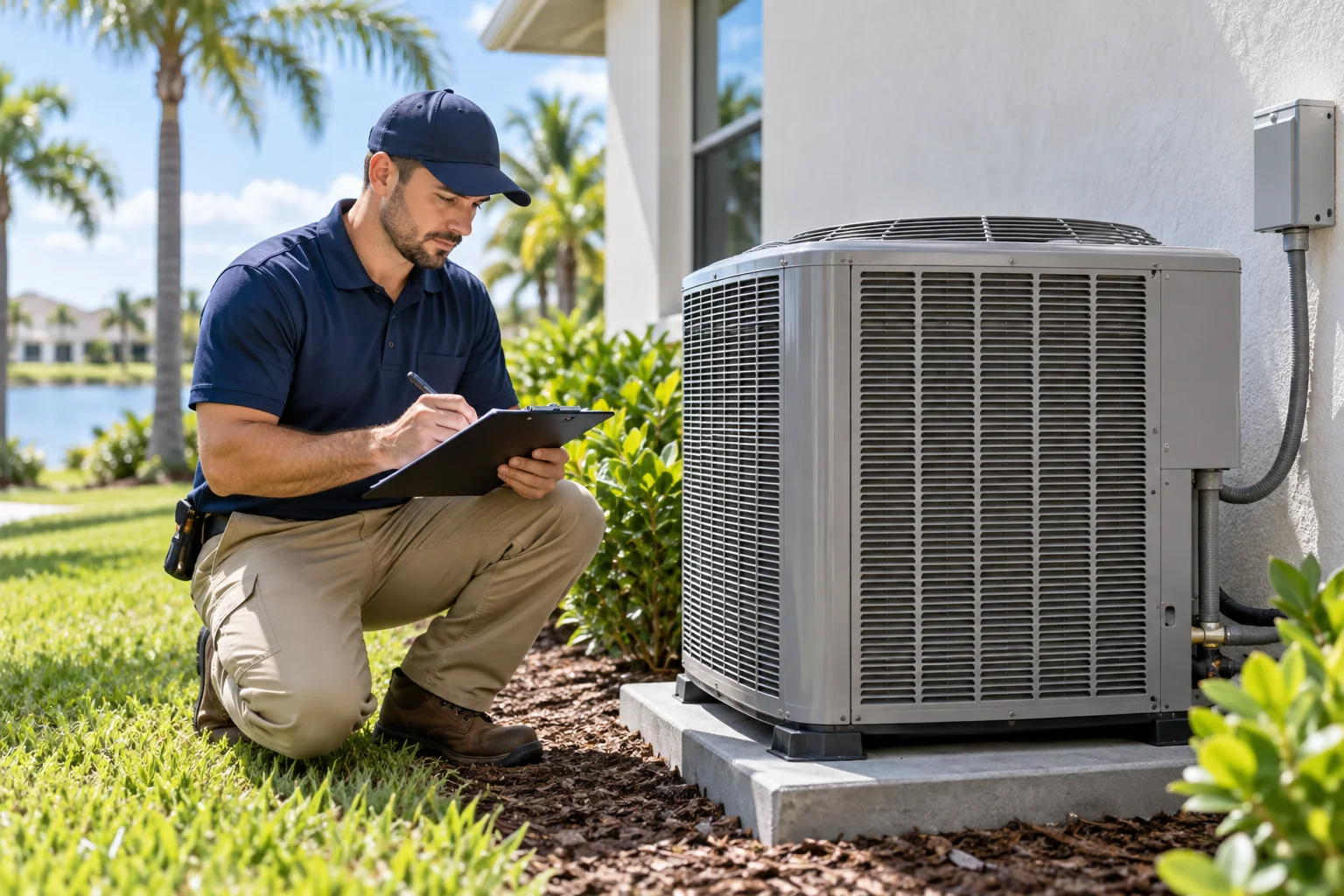
Burning Smell From Heater Vents in Treasure Island
A burning odor from your vents can be unsettling, especially when the heater has just started running. Sometimes dust on heating components produces a temporary smell after equipment has been idle. Other possibilities include an overheating component, an electrical connection problem, an airflow restriction, or debris near a heated surface. The odor alone does not identify the cause or prove that a particular part has failed.
Because electric heaters use high-voltage circuits and can become hot, take a cautious approach. If you see smoke or sparks, smell a strong or worsening odor, or suspect a fire, leave the area and contact emergency services. Do not open the heater or touch wiring. For a persistent or recurring burning smell without visible fire, stop using the heater and arrange an inspection.
What to Do Before a Technician Arrives
Keep your observations simple and safe. If there is no smoke, fire, or immediate danger, use the thermostat to turn the heating system off. Note when the odor began, whether it occurs only during heating, whether it fades or grows stronger, and whether the system has stopped or started making an unusual sound. Tell the technician if a breaker has tripped. Do not repeatedly reset it.
If the electrical panel is dry, undamaged, and safely accessible, you may switch off the clearly identified heater circuit. Do not approach or operate a panel that is hot, wet, sparking, or otherwise unsafe. Avoid removing covers, reaching into vents, testing live components, or attempting to clean inside the equipment. A filter check or replacement is reasonable only if the filter is readily accessible and the manufacturer’s instructions allow it; do not restart a heater that still has a concerning odor.
These observations help describe the symptom, but they cannot confirm whether the source is dust, an airflow issue, a control, wiring, a motor, a heating element, or something else. A trained technician needs to inspect and test the equipment before recommending a repair.
What Electric Heater Repair May Include
Electric heating may come from resistance elements in an air handler or electric furnace, or from auxiliary heat used with a heat pump. The inspection depends on the system design and the reported symptoms. A technician may check the equipment condition, airflow, thermostat call, electrical connections, controls, and safety operation. Electrical measurements and component testing require appropriate training and equipment; they are not homeowner tasks.
Where the system uses staged electric heat, a technician may evaluate whether the controls are calling for and staging heat as intended. If inspection identifies a damaged or out-of-spec component, the technician should explain the findings and the proposed repair before work proceeds. A smell by itself is not enough to decide that an element, sequencer, motor, or control needs replacement.
After authorized repairs, the technician can operate the system and check its response and safety controls. The scope and results depend on the equipment and what inspection finds. If your heater is part of a heat pump, electric resistance diagnosis is distinct from work on the refrigerant circuit. When refrigerant handling is needed, it should be performed by EPA-qualified personnel.
Genuine Parts and Warranty-Aware Service
If a replacement part is appropriate, ask what failed, why replacement is recommended, and whether a genuine part is available for your equipment. Genuine parts may be used when suitable and available. Keep the service record and any part or labor documentation with your equipment paperwork.
Warranty coverage depends on the manufacturer’s terms, the equipment, and the circumstances of the repair. No repair visit can promise that a warranty will remain valid in every case. A warranty-aware approach is to review the applicable terms, use suitable parts, and document the work so you have a record to consult with the manufacturer if needed.
Service Availability in Treasure Island
Electric heater repair service is available 24/7, including nights and weekends. Qualified same-day or next-available dispatch may be available, subject to technician and scheduling availability. There is no extra charge for nights or weekends. When requesting service, describe the odor, whether the heater has been turned off, and any visible smoke, tripped breaker, or other safety concern so the situation can be assessed appropriately.
If the odor is strong, the system is producing smoke, or you are unsure whether it is safe to remain nearby, prioritize personal safety over troubleshooting. Do not wait for a routine appointment if you believe there is an active fire or immediate electrical danger.
Questions About Electric Heater Repair
Why does my electric heater smell like burning?
Dust warming on equipment after a period without use is one possible explanation, but a persistent, recurring, or worsening odor can have other causes. Electrical or airflow problems are among the possibilities. Turn off the heater if the smell concerns you and arrange an inspection rather than assuming the cause from the odor alone.
Can I keep running the heater if the smell fades?
A brief odor at the start of a heating season may be caused by dust, but there is no reliable way to confirm that by smell alone. If it does not clear promptly, returns, or is accompanied by smoke, unusual noise, or a tripped breaker, stop using the heater and contact a technician. Do not run equipment that appears unsafe.
Can I repair an electric heater myself?
Limit homeowner checks to safe observations, thermostat settings, and an accessible filter if the manufacturer permits. Do not open equipment, handle wiring, test electrical components, or replace internal parts. Those tasks can expose you to dangerous voltage and should be left to a qualified technician.
How often should an electric heater be checked?
Follow the equipment manufacturer’s maintenance guidance and arrange service when the system behaves differently, develops an odor, or has a safety concern. A technician can advise whether routine inspection is appropriate for your specific heater and how it is used.
What should I tell the technician when booking?
Share when the smell started, whether it occurs only during heating, whether it is fading or getting stronger, and what you observed about the system. Mention smoke, unusual sounds, or a breaker trip. Do not restart the equipment just to reproduce the symptom.