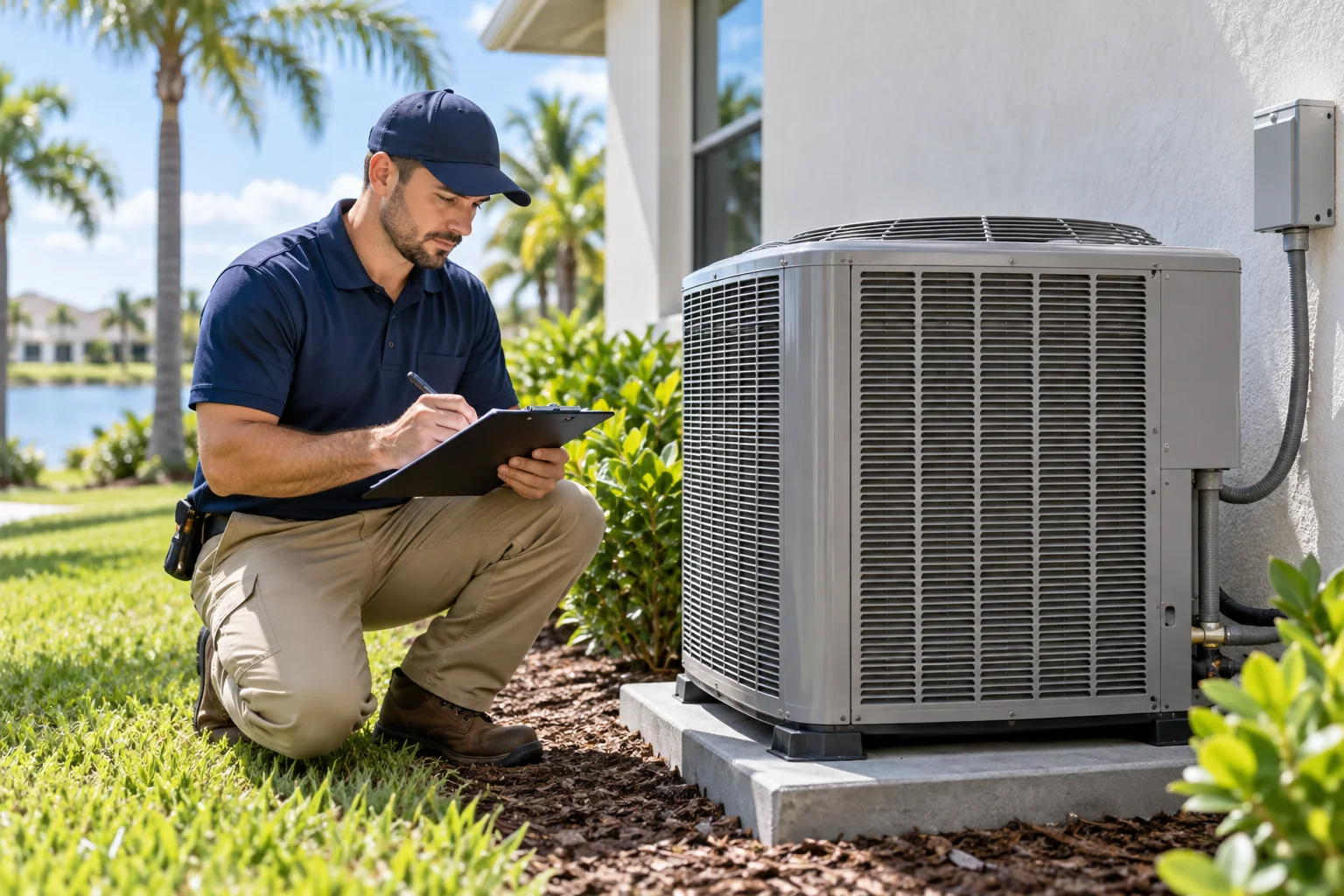
Goodman emergency furnace repair in St. Petersburg
A furnace that stops heating, shuts down repeatedly, or produces an unusual odor needs attention based on its symptoms and condition—not just its Goodman name. A symptom can have several possible causes, so it does not by itself identify a failed part. A qualified technician can inspect the furnace, test the relevant controls and components, and explain the findings before recommending repair.
Velocity Air Conditioning offers qualified 24/7 availability, including nights and weekends. Same-day dispatch may be available when scheduling and technician availability permit; otherwise, next-available dispatch can be arranged. There is no extra charge for nights or weekends. When requesting service, describe what the furnace is doing and mention any safety concern so the visit can be planned appropriately.
When a furnace problem needs urgent attention
Arrange prompt service if the furnace will not heat the home, repeatedly stops during a heating cycle, makes a new or persistent unusual sound, or causes a burning or electrical odor. These signs can have different explanations, and an inspection is needed to determine whether the furnace, its controls, airflow, venting, or another part of the system is involved.
If a carbon monoxide alarm sounds, leave the home and call emergency services from a safe location. If you smell gas, do not operate electrical switches or try to locate the source. Leave the building and contact the gas utility or emergency services from outside. Do not restart the furnace until the situation has been assessed by the appropriate qualified professional.
For smoke, a persistent electrical odor, or a breaker that trips again after being reset, do not keep operating or resetting the equipment. Turn the furnace off only if it is safe to do so, and arrange qualified service. If you are unsure whether the situation is safe, leave the area and seek professional guidance.
Safe checks you can make before the visit
Without opening the furnace cabinet, you can check the thermostat display and confirm that it is set to heating and to a temperature above the room temperature. If the thermostat uses batteries, follow its instructions to check or replace them. Note whether the display is blank, shows a message, or changes when you adjust the setting.
You can also look at the air filter and replace it if it is dirty, using the size and direction indicated by the equipment or filter instructions. Check that supply registers are not deliberately closed or blocked by furniture. These observations may help explain restricted airflow, but they do not establish the cause of a shutdown or no-heat condition.
Write down when the problem began, whether the furnace starts and stops, any display or error message, and any odor or sound. If the furnace has stopped, avoid repeated attempts to restart it. Do not remove access panels, touch wiring, probe controls, alter venting, or bypass a safety device. Those tasks require a qualified technician.
What a Goodman furnace inspection should cover
The technician should identify the furnace model and configuration, confirm the reported symptom, and assess the equipment in place. Depending on the design and observed condition, inspection may include the thermostat call, power and control sequence, airflow, filter condition, blower operation, safety controls, and venting. For a gas-fired model, the technician may also need to evaluate the ignition sequence, burner operation, gas connections, and combustion-related safety.
These are inspection areas, not a list of parts presumed to have failed. For example, a furnace that starts and then stops could have an airflow, control, ignition, or safety-related issue, among other possibilities. The technician should use appropriate tests and explain what was observed rather than treating the symptom as proof of one particular failure.
Ask for the findings, the recommended repair, and any alternatives to be explained before authorizing work. A useful recommendation connects the test results to the symptom and describes what the proposed work includes. If the cause is not yet established, ask what additional inspection is needed.
Parts, warranty, and related equipment
If a replacement part is recommended, ask whether a genuine Goodman part is available and appropriate for the specific model. Part selection depends on equipment compatibility and the confirmed repair need. Keep any service records and warranty documents available; warranty coverage depends on the applicable terms and should be checked before work proceeds. A warranty-aware recommendation should account for those terms rather than assume that a particular repair is covered.
A furnace is separate from cooling equipment, even when both are part of the home’s HVAC system. If the technician identifies a concern involving refrigerant-containing equipment, refrigerant handling should be performed by EPA-qualified personnel. A furnace no-heat symptom alone does not establish that refrigerant service is needed.
What to share when scheduling in St. Petersburg
When you request Goodman furnace repair, provide the furnace model if it is readily visible without opening the cabinet, the general age if known, and a clear description of the problem. Mention whether there is no heat, intermittent operation, an alarm, a persistent odor, or a visible leak. Do not delay urgent safety steps to collect equipment information.
Tell the scheduler about access details that affect reaching the furnace, such as a closet location, attic access, or a locked gate. You can also ask whether same-day dispatch is available or what the next available appointment is. Availability depends on scheduling and technician availability; a specific arrival time should not be assumed unless it is confirmed.
Repair or replacement: make the decision from the findings
A repair-versus-replacement decision should consider the diagnosed condition, furnace age and repair history, parts availability, warranty status, expected operating needs, and the scope of any proposed replacement. Ask for the reasoning behind the recommendation and what work each option includes. A Goodman brand name, a single symptom, or an isolated part quote is not enough on its own to determine which choice is right for the home.
For emergency Goodman furnace repair in St. Petersburg, share the symptoms and any safety concerns, then request an inspection and a clear explanation of the findings. That gives you a practical basis for deciding what to do next without guessing at the cause.