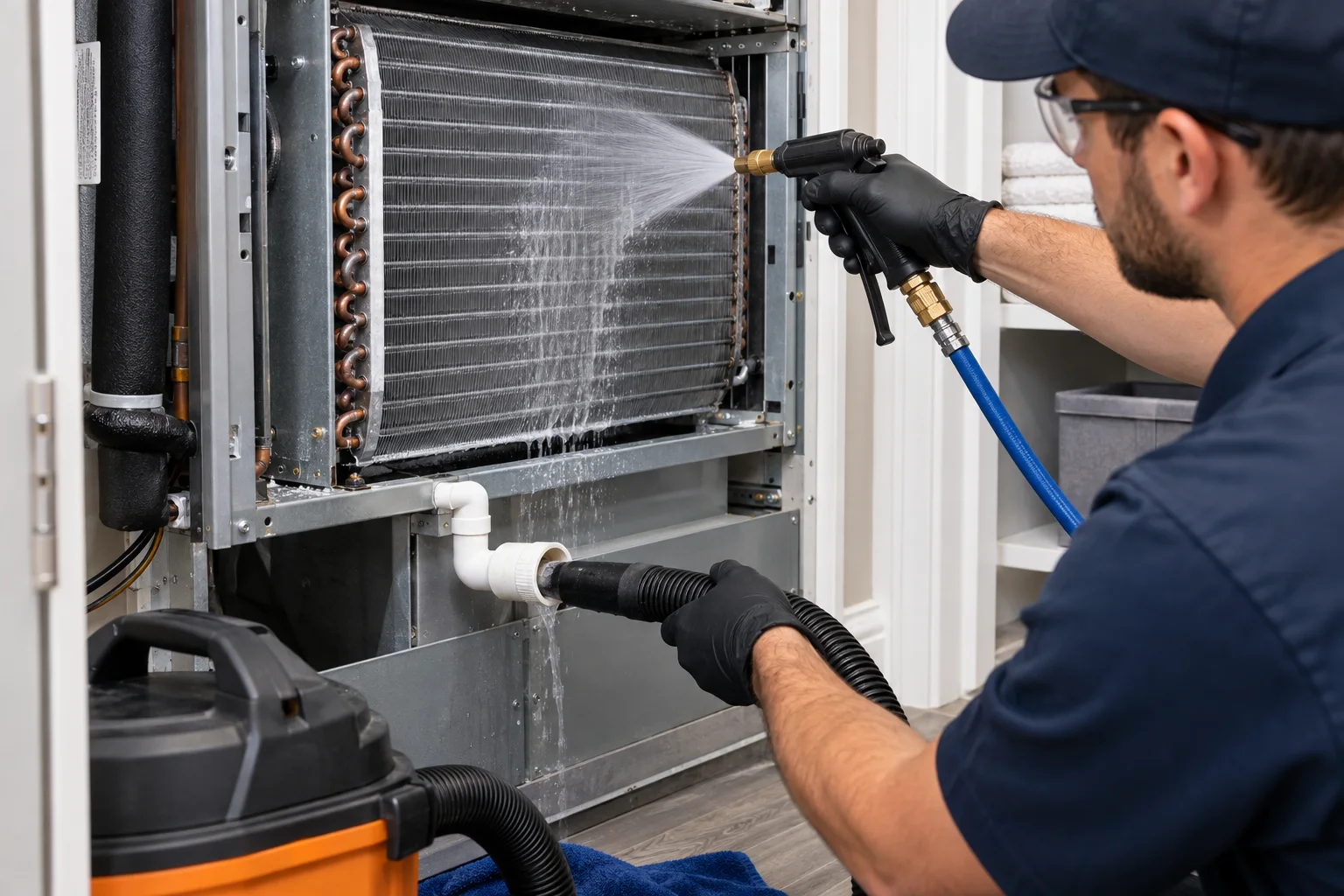
Heat pump installation in Palm Harbor: plan for the whole system
Choosing a heat pump is not simply a matter of replacing one outdoor unit with another. The equipment needs to suit the home, the ductwork or air-distribution setup, the electrical service, and the way your household uses heating and air conditioning. A careful installation assessment helps identify what needs to be included in the project and what questions to resolve before equipment is selected.
In Palm Harbor, a heat pump may provide both cooling and heating through the same system. That makes the fit of the equipment and its controls important in more than one operating mode. A system that is not well matched to the home may have trouble maintaining comfort or may run differently than expected. Those possibilities are reasons to evaluate the home and equipment—not proof that any particular component has failed.
What an installation assessment should cover
Before recommending a replacement or new installation, the contractor should gather information about the home and the existing system. Homeowners can share comfort concerns, renovation plans, and details about rooms that are difficult to keep comfortable. The technician should verify relevant equipment and site conditions rather than choosing a system based on a symptom or an old unit’s label alone.
- Heating and cooling needs: The home’s layout, insulation, windows, occupancy, and other relevant conditions help inform equipment sizing. Ask what information was used to select capacity and why the proposed equipment suits the home.
- Ductwork and airflow: Existing ducts may need inspection for condition, leakage, sizing, and airflow restrictions. A new heat pump cannot by itself correct every issue in a duct system.
- Electrical and controls: The technician should assess the equipment’s electrical requirements and whether the thermostat and controls are suitable for the proposed system, including any auxiliary heat configuration.
- Outdoor and indoor placement: The proposed locations should allow for service access and comply with applicable equipment requirements. The installer should explain any changes needed to the existing setup.
- Condensate and refrigerant connections: The installation plan should account for drainage and the refrigerant circuit. Refrigerant work is for qualified technicians, not a homeowner task.
Ask for the recommended scope in writing. It should identify the equipment being proposed, what work is included, whether duct or electrical changes are anticipated, and what items remain outside the scope. If a condition cannot be confirmed until the existing equipment is opened or removed, ask how that possibility will be handled before work proceeds.
Choosing equipment that fits your home
Compare proposals by more than equipment brand or nominal capacity. Ask how the proposed system’s heating and cooling performance suits the home, what controls are included, and whether the existing ductwork and electrical setup are compatible. If you are comparing different configurations, ask which options are appropriate for your home and what changes each would require. The right choice depends on verified conditions, not a general promise of comfort or efficiency.
Discuss how the system will operate when outdoor conditions change and whether the proposed controls will manage heating and cooling modes as intended. Ask the contractor to explain the role of any auxiliary heat included in the design and how you can recognize normal operation. Do not assume that a setting, sound, or brief change in operation means the equipment is defective; ask for an inspection if behavior is persistent, concerning, or inconsistent with the explanation you received.
Also clarify how parts and warranty terms factor into the recommendation. Ask whether genuine parts are specified when replacement components are included and request a warranty-aware explanation of the applicable terms. Keep the equipment and installation documents for future service, and confirm what documentation will be provided when the work is complete.
What homeowners can check—and what they should leave to a technician
Before an appointment, you can note which rooms feel uncomfortable, when the issue occurs, thermostat settings, and any changes in sound or operation. You can check whether the thermostat is set to the intended mode and look at the air filter if it is accessible. Follow the filter’s instructions; do not remove panels to reach equipment components. Keep the area around the outdoor unit reasonably clear without reaching inside or disturbing wiring, tubing, or components.
Leave electrical testing, refrigerant handling, opening equipment cabinets, changing wiring, and bypassing safety controls to a qualified technician. If you notice a burning smell, repeated breaker trips, an active water leak, or an unsafe indoor temperature, stop trying to operate or adjust the equipment and arrange qualified service. A homeowner’s observations can help explain the situation, but they cannot confirm the cause of a problem.
What to expect during installation
The installation team should confirm the work area and the agreed scope before starting. Depending on the project, work may involve removing existing equipment, setting new equipment, connecting the system, addressing agreed duct or electrical work, configuring controls, and checking operation. The specific tasks depend on the home and the installation plan; do not assume that a replacement automatically includes unrelated duct, electrical, or building work.
Refrigerant handling must be performed by EPA-qualified personnel. At completion, ask the technician to explain the system’s controls, filter location and maintenance guidance, and any operating features that are new to you. Request the installation and equipment documentation and a clear explanation of any remaining recommendations. If something in the finished setup does not match the written scope, raise the discrepancy before considering the project complete.
Scheduling in Palm Harbor
When you contact Velocity Air Conditioning, describe whether you are planning a replacement, installing a heat pump in a home that does not have one, or addressing a comfort concern before deciding on installation. Share the equipment information if it is readily available, but do not remove covers or open electrical panels to find model details. An evaluation can help determine whether installation is appropriate and what additional information is needed to define the project.
Qualified 24/7 availability includes nights and weekends. Qualified same-day or next-available dispatch is available based on the service needed and scheduling. There is no extra charge for nights or weekends. Dispatch timing does not mean that an installation will be completed the same day; the equipment, scope, and site conditions must be evaluated.
Questions to ask before approving the work
- How was the proposed equipment size selected for my home?
- What did you find when evaluating the ductwork, electrical requirements, and controls?
- Which tasks and materials are included, and what would require separate approval?
- Are genuine parts included where replacement components are specified, and how do applicable warranty terms affect my options?
- What system documents and operating instructions will I receive?
A heat pump installation recommendation should explain the fit, the work involved, and the relevant options without treating a symptom as proof of a failed part. Request an evaluation for your Palm Harbor home and review the proposed equipment and scope before authorizing installation.