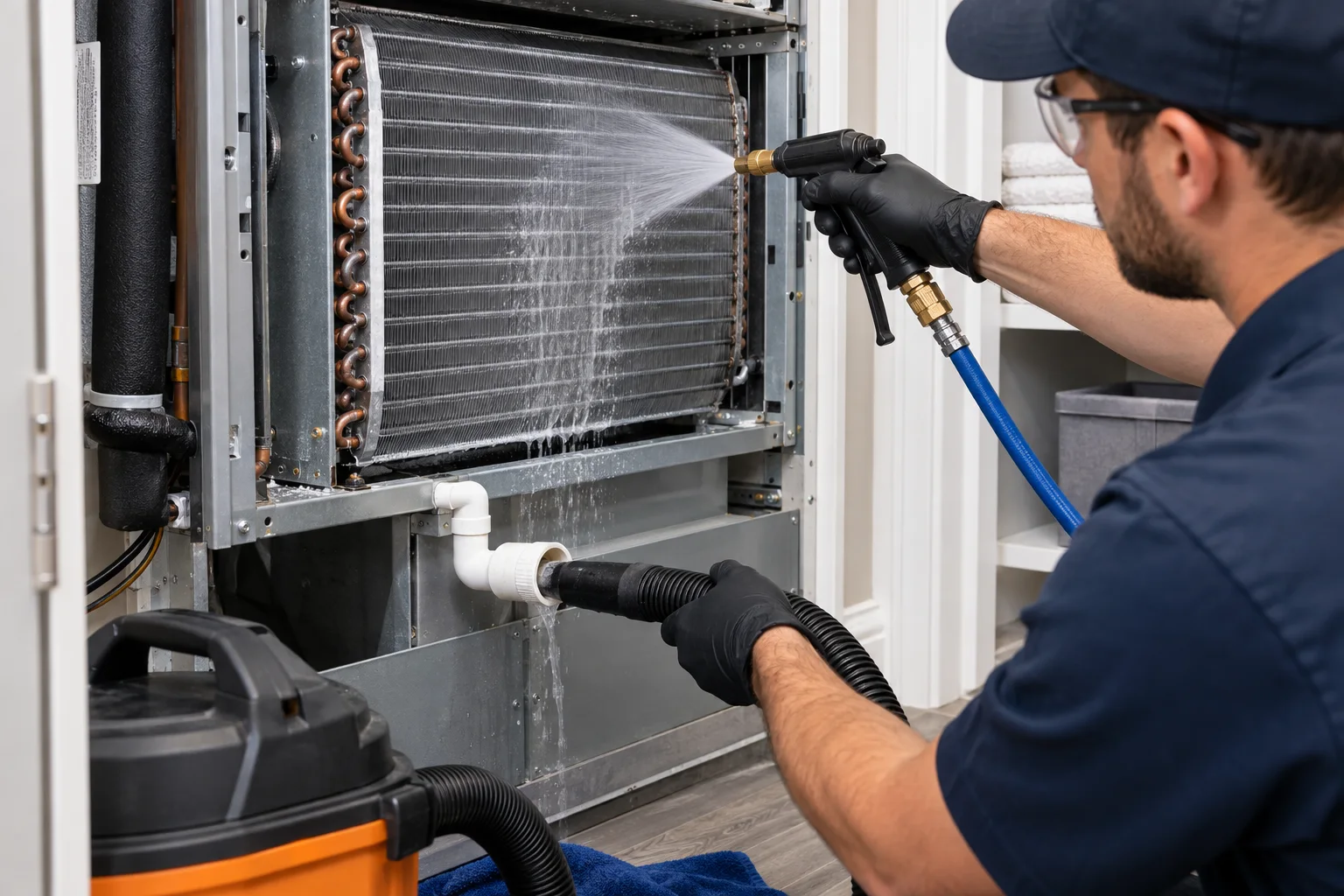
Heil furnace emergency repair in St. Petersburg
A Heil furnace that stops heating, repeatedly shuts down, or produces an unusual smell needs a careful diagnosis—not a guess based on the brand name or one symptom. Furnace designs and controls vary by model, and the same complaint can have several possible causes. A technician should inspect the equipment and explain the findings before recommending a repair.
Velocity Air Conditioning offers qualified 24/7 availability for emergency service, including nights and weekends. Qualified same-day or next-available dispatch depends on scheduling and the service need; it is not a guaranteed arrival time. There is no extra charge for nights or weekends.
When a furnace problem is an emergency
Put safety first if you notice smoke, a strong gas odor, a carbon monoxide alarm, or signs of an electrical hazard. Leave the building if there is smoke, a gas odor, or a carbon monoxide alarm. From outside, contact emergency services or the appropriate gas utility as the situation requires. Do not re-enter until it is safe.
If you notice a burning smell without smoke or another immediate danger, turn the system off if you can do so safely and arrange qualified service. A smell can have more than one explanation; it does not identify a failed part. If the smell persists, becomes stronger, or is accompanied by smoke, leave and seek emergency help.
A breaker that trips repeatedly, water near equipment, or a furnace that repeatedly starts and stops also warrants prompt attention. Do not keep resetting a tripped breaker, bypass a safety control, or operate equipment that appears unsafe. If the home is becoming dangerously cold for someone’s health or safety, make arrangements for a safe warm location while service is arranged.
Safe observations to make before the visit
You can gather useful information without opening the furnace or handling wiring. Note when the problem began, whether the furnace runs at all, what sounds or smells you notice, and whether the thermostat displays a message or code. If the thermostat has separate heat and fan settings, record their current settings. Check that the requested temperature is above the room temperature and note whether changing it affects the system.
- Write down the Heil model and serial numbers if they are visible on an exterior label you can reach safely. Do not remove a furnace panel to find them.
- Look at the air filter from its normal access point, if accessible. Note whether it appears heavily loaded and record its size if shown. Do not force access or run the furnace with a panel removed.
- Check whether supply vents are visibly blocked by furniture or other items. Avoid dismantling ducts or equipment.
- Record any recent changes, such as a power interruption, thermostat adjustment, or prior service, and share them with the technician.
Do not open electrical compartments, test live components, adjust gas controls, clean internal parts, or handle refrigerant. These tasks require appropriate training and equipment.
What a Heil furnace repair visit should establish
The technician should begin with the reported symptoms and the particular furnace model, then use inspection and measurements to narrow down the cause. A display code or a repeated shutdown can guide troubleshooting, but neither alone proves that a specific component has failed. The technician should verify the condition and explain how the evidence supports the proposed repair.
Depending on the equipment and complaint, the evaluation may include thermostat and control operation, the furnace’s startup sequence, airflow, electrical connections, and relevant safety controls. For a gas furnace, qualified checks may include the ignition and flame-sensing process, gas operation, venting, and combustion-related conditions. If the model uses condensate drainage, that system may also need inspection. Not every check applies to every Heil model, and a repair should follow the actual findings.
Ask what was tested, what condition was found, and whether the proposed work addresses the immediate fault or also includes other recommended work. If a part is replaced, ask what testing will confirm normal operation afterward. A clear explanation helps you distinguish a necessary repair from optional maintenance or a separate improvement.
Parts, warranty, and related equipment
When a replacement part is indicated, ask whether a genuine Heil part is available and appropriate for the model. The technician should also consider the equipment’s warranty terms and any requirements that apply to covered repairs. Warranty coverage depends on the specific equipment, claim, and terms; confirm what applies before authorizing work.
Some homes have a furnace alongside separate cooling equipment, while others use a heat pump for heating. The equipment label and system configuration matter. A Heil furnace repair is not the same as a heat-pump diagnosis. If inspection shows that the heating problem involves a heat pump or a connected system requiring refrigerant work, refrigerant must be handled by an EPA-qualified technician.
Repair options and the work scope
Once the cause is established, ask for the repair scope and any alternatives in understandable terms. The decision to repair or consider replacement depends on the diagnosed condition, equipment history, parts availability, warranty considerations, and the system’s overall performance. A single symptom or the Heil name alone cannot determine that decision.
Before approving work, clarify which parts and labor are included, what testing follows, and whether any additional issue could change the scope. If replacement is recommended, request an explanation of why the existing equipment is not a suitable repair candidate and what the proposed replacement includes. Compare the complete scope and warranty terms rather than relying on a brand name alone.
Arranging emergency furnace service in St. Petersburg
When you call, describe the safety concerns first, then share the model information if available, the symptoms, and any observations you made without opening the equipment. Mention repeated breaker trips, alarms, unusual odors, or water near the furnace. This helps the service team understand the situation and determine the appropriate next step.
Qualified 24/7 availability includes nights and weekends, with qualified same-day or next-available dispatch based on scheduling and the service need. There is no extra charge for nights or weekends. The technician’s inspection—not a remote symptom description—determines what repair, if any, is appropriate.