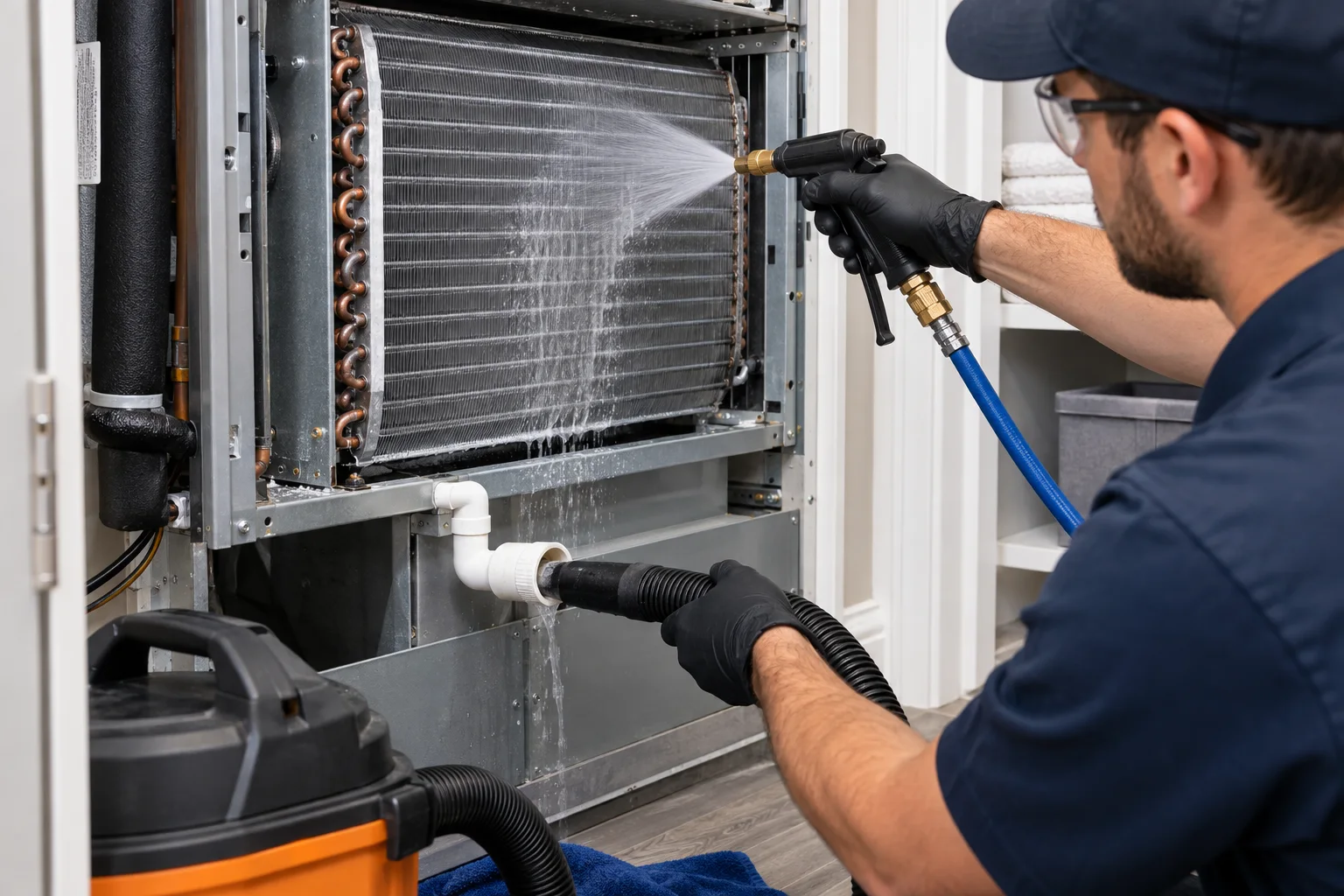
Heil heat pump repair in Dunedin: start with the symptom, not a guessed part
A Heil heat pump can provide both heating and cooling by moving heat between your home and the outdoors. If it is blowing cool air in heat mode, running longer than usual, cycling on and off, or not responding to the thermostat, those symptoms do not identify a failed part by themselves. Airflow restrictions, thermostat settings, electrical or control issues, drainage, refrigerant conditions, and other equipment problems can produce overlapping signs. A technician needs to inspect and test the system before recommending a repair.
For Dunedin homeowners, useful first information is what the system was doing, when the change began, and whether the problem affects heating, cooling, or both. The model and serial numbers, if safely visible on the equipment labels, can also help identify the specific system. Do not remove panels to find them.
Safe checks you can make before calling
Keep observations to normal controls and areas you can reach without opening equipment. If conditions are safe, check:
- The thermostat: Confirm the setting is on heat, the target temperature is above the room temperature, and the fan is set as intended. A schedule, hold, or battery issue may affect operation.
- The air filter: Check whether it is visibly loaded and replace it only with the correct size and type for your system. A clogged filter can restrict airflow, but changing it does not establish that airflow is the only problem.
- Supply and return vents: Make sure registers are open and not blocked by furniture, curtains, or stored items. Notice whether airflow seems weaker than usual.
- The outdoor unit from a safe distance: Look for leaves or other visible debris around the cabinet and note unusual sounds, ice, or standing water. Do not reach through the grille, remove panels, or chip ice away.
- When the symptom occurs: Record whether it happens at startup, during a mode change, after rain, or after the system has run for a while. Note any displayed thermostat message.
Some heat pumps may briefly change sound or operation during a defrost cycle in heating mode. Depending on the model and conditions, temporary frost or visible vapor may occur. Persistent heavy ice, repeated shutdowns, or a loss of heating warrants professional assessment rather than an attempt to defrost the unit yourself.
When to stop using the system
Turn the system off if you notice smoke, a burning smell, repeated breaker trips, or water leaking near electrical equipment. Do not keep resetting a tripped breaker, remove an electrical cover, or bypass a safety control. If there is an immediate safety concern, keep clear of the equipment and seek appropriate urgent help. For less urgent comfort problems, arrange an evaluation and describe what you observed.
What a Heil heat pump repair visit should cover
A useful repair visit connects the reported symptom to measurements and inspection findings. The technician should confirm the operating mode and thermostat call, inspect accessible indoor and outdoor components, and evaluate airflow and electrical operation. Depending on the complaint, the assessment may also include controls, condensate drainage, the outdoor coil, the defrost sequence, and refrigerant-system performance.
These are technician tasks. Electrical testing, opening equipment, refrigerant work, and testing safety controls require appropriate training and tools. Refrigerant should be handled by EPA-qualified personnel. A technician should explain which checks were performed, what the results indicate, and whether additional testing is needed before identifying a cause.
If a part is recommended, ask what it does, how the findings support replacement, and whether the proposed part is compatible with your Heil model. Ask about genuine parts and how any parts or labor warranty applies. Warranty-aware service includes checking applicable coverage and explaining any limits; it does not assume that a repair is covered.
Dunedin outdoor-unit considerations
The outdoor unit needs room for airflow. From outside the cabinet, you can observe whether vegetation, leaves, or stored items are crowding it and keep ordinary yard debris away without touching the equipment. After heavy rain, note standing water or a change in drainage, but do not open the unit or attempt electrical or refrigerant work. If airflow around the unit appears obstructed, tell the technician what you see and let them determine whether the obstruction is related to the symptom.
Homes and equipment differ, so a general maintenance checklist cannot establish the condition of a particular Heil system. Filter requirements, control settings, and service needs depend on the model, installation, and service history. Keep prior invoices and note recent repairs or changes in performance; this helps the technician focus the evaluation.
Scheduling repair in Dunedin
Velocity Air Conditioning offers qualified 24/7 availability, including nights and weekends. Nights and weekends have no extra charge. Qualified same-day or next-available dispatch may be available depending on scheduling and service needs; ask when requesting service. When you call, describe the heating or cooling symptom, any warning signs, and whether the equipment is currently running. If the system has been switched off for safety, say so.
Availability and dispatch timing do not establish how quickly a repair can be completed. The technician must first determine the cause, confirm what parts or follow-up work are needed, and explain the options. If a repair requires a part, ask about expected next steps rather than assuming it can be completed during the initial visit.
How to review a repair recommendation
Before approving work, ask for the findings and proposed scope in writing. A clear recommendation should identify the confirmed problem, the work being proposed, any parts involved, the testing planned after repair, and applicable warranty terms. Ask whether the estimate includes diagnosis and what conditions could change the scope. The cost depends on the actual findings, access, parts, and work required; the Heil name or Dunedin location alone cannot determine it.
If replacement is raised as an option, compare it with the repair using the system’s age and condition, repair history, parts availability, comfort, operating needs, and the complete installation scope. Ask how the proposed equipment, controls, and warranty fit your home. A replacement discussion should be based on the system’s condition and your needs, not on one symptom alone.
Questions homeowners ask
Does cool air from a Heil heat pump prove the system is broken?
No. The thermostat setting, airflow, operating cycle, controls, or a component problem may be involved. Note how long the air feels cool and whether the home temperature changes, then have the system assessed if heating does not recover or the problem repeats.
Can I clear ice from the outdoor unit?
Do not chip or scrape ice, pour hot water on the equipment, or remove panels. Persistent or recurring ice should be reported to a technician, who can inspect the system and determine the cause.
What information should I have ready?
Share the Heil model information if safely accessible, the symptom and when it occurs, thermostat messages, recent service records, and any unusual sounds or visible water or ice. These details help guide the visit, but do not replace on-site testing.