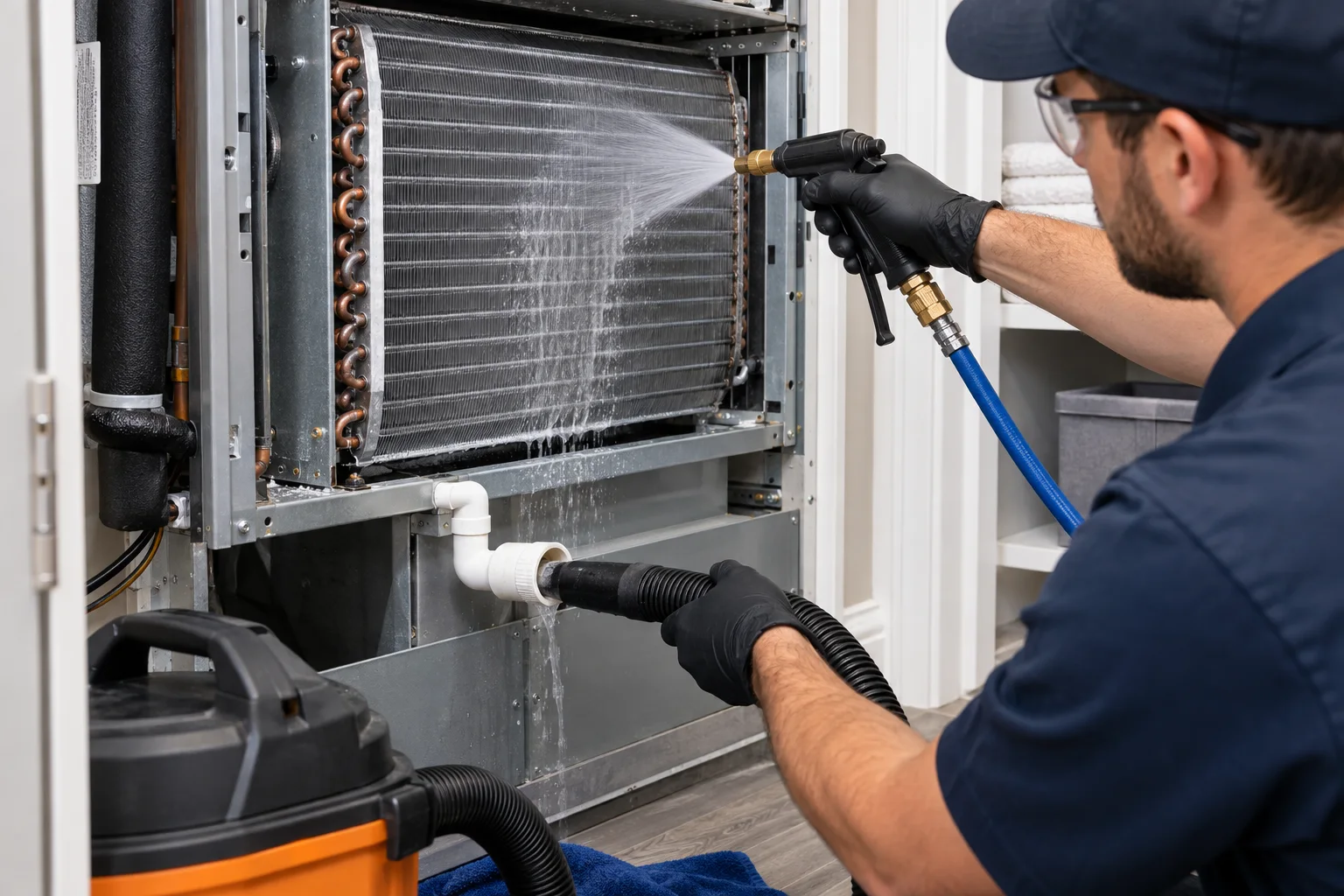
Lennox emergency furnace repair in Palm Harbor
A Lennox furnace that stops heating, repeatedly shuts down, or makes an unusual smell or sound needs a careful diagnosis—not a guess based on one symptom. Different Lennox models and installations use different controls and components, so a symptom alone cannot identify a failed part. A technician should inspect the system and explain the findings before recommending a repair.
Velocity Air Conditioning offers emergency service availability 24/7, including nights and weekends, and there is no extra charge for nights or weekends. Same-day dispatch may be available when scheduling permits; otherwise, dispatch is for the next available appointment. Availability and timing depend on scheduling and the service needed.
When to stop using the furnace
Put safety first. If you smell gas, leave the building without operating switches or using a phone inside, then contact the gas utility or emergency services from outside. If a carbon monoxide alarm sounds, leave and contact emergency services; do not re-enter until it is safe. If there is smoke, a strong burning odor, or a repeated breaker trip, turn the system off if you can do so safely and arrange qualified service. Do not keep resetting a breaker or furnace safety control.
A brief dusty odor when heating starts after a period of disuse can have a different cause from a persistent burning or electrical smell. Do not rely on the odor alone to decide that the furnace is safe. If it persists, intensifies, or is accompanied by smoke or other concerning signs, stop operation and request an inspection.
Safe checks before calling
Homeowners can make a few observations without opening the furnace cabinet or handling wiring. These checks may help describe the problem, but they do not confirm what has failed.
- Check that the thermostat is set to heat and that its temperature setting is above the room temperature. Note any display message or error code that is visible without removing a cover.
- If the air filter is readily accessible, check whether it appears heavily loaded. Replace it only with the correct size and type, and do not operate the furnace without a required filter.
- Make sure supply registers and return-air grilles are not blocked by furniture or other items.
- Record when the issue began, whether the furnace starts and stops, and whether the thermostat or any visible indicator shows a message. A photo of the display can be useful.
- Locate the furnace’s model and serial information only if the label is accessible without removing panels or reaching into the equipment. Share those details when arranging service.
Do not open electrical panels, remove furnace covers, reach near a burner or blower, test live wiring, bypass a safety switch, or attempt an internal repair. Leave those tasks to a qualified technician.
What a technician may inspect on a Lennox furnace
The inspection depends on the furnace model, installation, and reported symptoms. A technician may check thermostat communication, the startup sequence, airflow, the filter and blower area, electrical connections, and the operation of safety controls. If a display provides a diagnostic code, the technician can interpret it alongside measurements and inspection; the code by itself does not prove a particular part has failed.
For a fuel-burning furnace, the technician may also evaluate ignition, combustion, venting, and other safety-related conditions as appropriate to the model and problem. Do not attempt to inspect flames or vent connections yourself. If the Lennox furnace is paired with a heat pump or air-conditioning system and diagnosis points to the refrigerant circuit, refrigerant handling should be performed by an EPA-qualified technician. A furnace symptom alone does not establish that refrigerant is involved.
Ask the technician to identify the equipment inspected, describe the observed condition, and explain what testing supports the recommended work. If more than one cause is possible, ask what additional inspection would distinguish between them.
Parts, warranty, and repair options
If a part replacement is recommended, ask what the part does, why replacement is appropriate, and what testing will follow the repair. Genuine Lennox parts may be relevant to the proposed repair; ask whether a genuine part is available and being used. Parts and labor coverage can depend on the equipment, the specific part, and the applicable warranty terms, so confirm coverage rather than assuming it.
If the furnace is under warranty, share available ownership or warranty information before approving work. Ask whether the proposed repair affects any existing coverage and whether any warranty-related requirements apply. A warranty-aware recommendation should explain the relevant terms and avoid promising coverage before they have been checked.
Repair and replacement are separate decisions. If replacement is raised, request the reason the existing furnace may not be a practical repair and compare the full scope, including equipment sizing, installation work, controls, warranty terms, and expected heating needs. Age or a single breakdown does not by itself determine whether replacement is the right choice.
Arranging emergency furnace service in Palm Harbor
When you contact Velocity, describe the no-heat condition, any safety concern, the time the problem began, and what you have observed without opening the equipment. Provide the Lennox model information if it is safely accessible. Mention whether the furnace runs at all, cycles off, or displays a code; these details help frame the visit but are not a diagnosis.
Ask about the available dispatch window and what the appointment will cover. Same-day dispatch may be available when scheduling allows; if not, the next available dispatch can be discussed. After inspection, request a clear explanation of the findings, proposed repair, testing after the work, and any warranty considerations before authorizing the repair.
Common questions
Does a Lennox error code identify the failed part?
Not necessarily. A code can help guide diagnosis, but the underlying condition may require measurements and inspection. Do not replace a part based only on a code or a remote interpretation.
Should I keep restarting a furnace that shuts down?
No. Repeated shutdowns can have several causes, including conditions that require inspection. Avoid repeated resets or attempts to bypass a safety control; switch the system off if there is a safety concern and arrange service.
What if the furnace is running but the house remains cold?
Note whether air is coming from the registers and whether the thermostat is calling for heat. A blocked filter, airflow concern, control issue, or equipment condition could contribute, but those observations do not establish the cause. A technician can assess the furnace and relevant airflow conditions.
Next step: Request Lennox furnace service in Palm Harbor, explain any urgent safety symptoms, and ask for the inspection findings and repair options before approving work.