Lennox reverse-cycle air conditioning stuck in cooling mode?
A Lennox reverse-cycle system provides heating and cooling by moving heat in different directions. If it cools when you have selected heat, or will not provide heat, the symptom deserves attention—but it does not identify a failed part by itself. A control setting, operating condition, electrical issue, reversing valve, refrigerant circuit, or another fault could be involved. A technician needs to inspect the system and test it before recommending a repair.
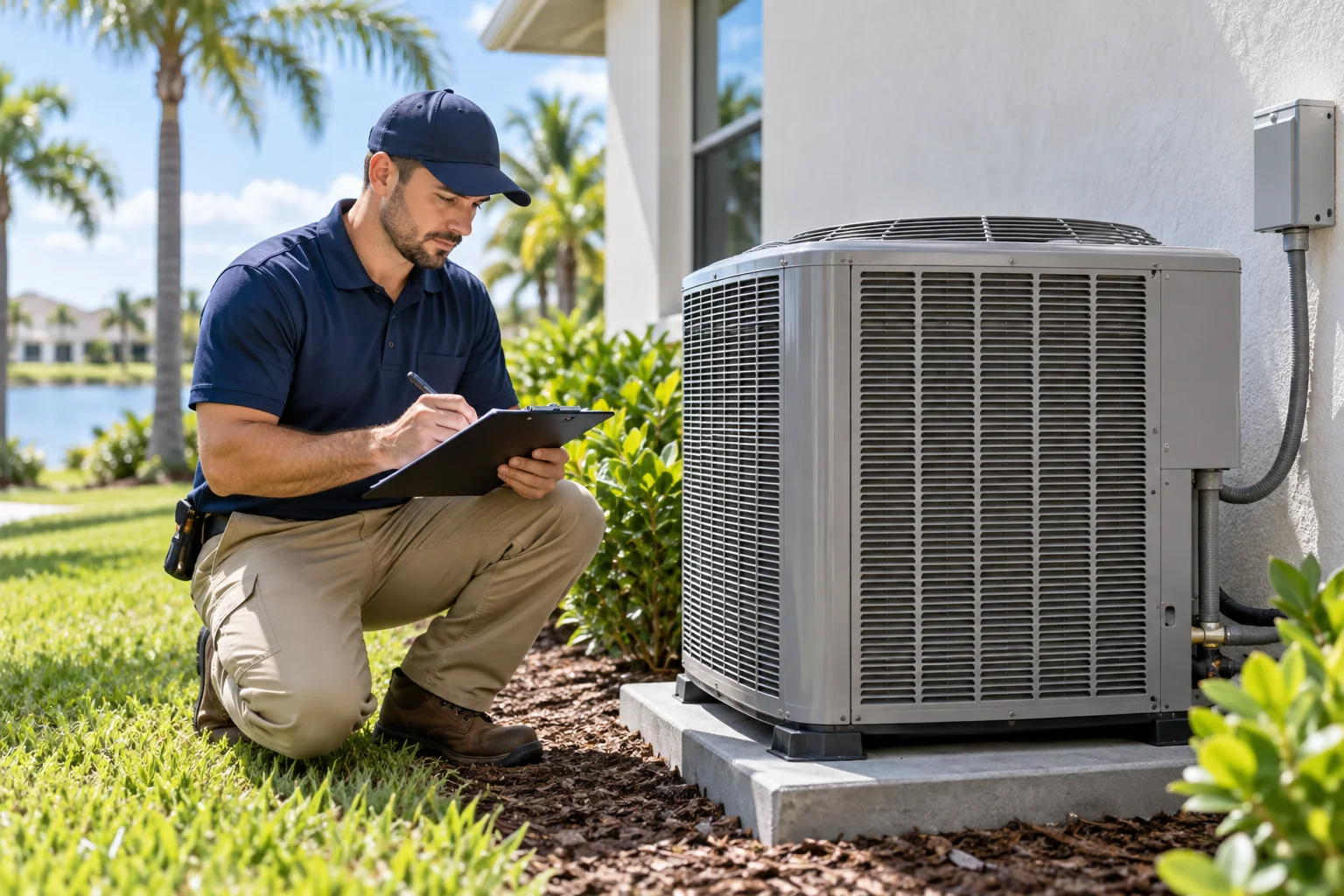
Velocity Air Conditioning provides service for Lennox reverse-cycle systems in Dunedin. The aim of a service visit is to establish what the system is doing, identify the cause where possible, and explain suitable next steps. A repair is not assumed in advance, and no particular repair outcome can be promised without inspection.
What “stuck in cooling mode” can mean
In a heat pump, the reversing valve helps change the direction of refrigerant flow so the system can provide heating or cooling. If the system is not changing modes as expected, the valve may be one item for a technician to check. It is not the only possibility. Thermostat settings, control signals, wiring, other components, and refrigerant-circuit conditions may also need assessment.
How the symptom appears can help guide diagnosis. For example, note whether the indoor fan runs, whether the outdoor unit operates, whether the thermostat shows a call for heat, and whether the air feels cool, lukewarm, or simply less warm than expected. These observations provide context; they do not prove that a particular component has failed.
Safe checks for a homeowner
Before arranging service, you can make a few basic observations without opening equipment:
- Confirm that the thermostat is set to heat and that its temperature setting is above the room temperature. Check that it is not set to cooling, fan-only, or an unintended schedule.
- Allow time for the system to respond after changing the setting. Heat pumps may pause or change operation during normal control sequences. If you are unsure whether the behavior is normal, describe what you observe when you call.
- Check whether the air filter is visibly dirty and replace it if appropriate for your system and filter type. Use the size and installation direction specified for the existing filter.
- Look from a safe distance for an obvious obstruction around the outdoor unit. Do not reach into the unit or remove panels.
- Write down any thermostat message or error code, when the problem began, and whether it occurs every time the system calls for heat.
If you notice smoke, a burning smell, unusual electrical sounds, or another immediate safety concern, stop using the system if you can do so safely and seek professional guidance. Do not remove access panels, handle wiring, test electrical components, open the refrigerant circuit, or try to move a reversing valve. Refrigerant work requires appropriate equipment and EPA-qualified handling.
What a technician may inspect
Diagnosis depends on the equipment and the symptoms. A technician may verify the thermostat call and system settings, inspect accessible components, and test relevant electrical controls and operating conditions. If indicated, the technician may assess the reversing valve and refrigerant circuit. The findings determine whether further testing is needed and whether repair, adjustment, or another recommendation is appropriate.
These are technician tasks, not homeowner troubleshooting steps. Refrigerant cannot be safely assessed by sight alone, and a system that behaves unexpectedly does not automatically need refrigerant added or a valve replaced. Refrigerant handling is performed by EPA-qualified personnel. The technician should explain what was tested and how the results support the recommendation.
Repair, replacement, and Lennox equipment
Whether repair makes sense depends on the actual fault, the equipment’s condition, the repair options, and the homeowner’s priorities. A visit should establish the diagnosis before you are asked to decide. If a repair is recommended, ask which part or condition is involved, what the proposed work includes, and whether the recommendation depends on additional testing.
Genuine Lennox parts may be appropriate for a repair when available and suitable for the specific model. Warranty coverage depends on the equipment’s warranty terms and circumstances; using a genuine part does not, by itself, establish that coverage applies or guarantee a particular warranty result. Keep service records and ask how the proposed work relates to the terms for your unit.
Some Lennox equipment descriptions refer to Precise Comfort technology and Quantum Coil durability. These are brand and product-line descriptors, not a statement that every Lennox system has the same features or that a feature determines the cause of a current fault. The model and equipment documentation are the best references for what is installed in your home.
Service availability in Dunedin
Service availability is 24/7, including nights and weekends. Qualified same-day or next-available dispatch may be available depending on scheduling and service needs. There is no extra charge for nights or weekends. When requesting service, describe the equipment, the selected thermostat mode, the symptoms, and any displayed codes so the dispatch team can assess the request.
If the system is still cooling when set to heat, mention that specifically. If it is operating but the home is not reaching the set temperature, explain how long it has been running and what the air feels like. This information can help with dispatch and preparation, but it does not replace an on-site diagnosis.
Frequently asked questions
Does cooling air in heat mode mean the reversing valve has failed?
No. A reversing-valve problem is one possibility, but the symptom alone does not prove a valve failure. A technician should check the controls and operating conditions and test the relevant components before recommending a repair.
Can I switch the system repeatedly between heating and cooling?
Use the thermostat according to its instructions and allow the system to respond after a mode change. Avoid repeated rapid changes in an attempt to force operation. If the problem continues, note the settings and behavior and arrange an inspection.
Does every repair include refrigerant work?
No. The work depends on the diagnosis. A technician may find that refrigerant-circuit work is not needed. If refrigerant handling is required, it should be performed by EPA-qualified personnel, with the need for that work explained in relation to the findings.
What should I have ready when I request service?
If available, provide the Lennox model information, thermostat settings, any displayed error code, and a short description of what the system does in heat mode. You do not need to remove equipment panels or perform tests to gather this information.
For Lennox reverse-cycle air conditioning service in Dunedin, arrange an inspection when the system does not respond as expected. A clear diagnosis can help you understand the available next steps without assuming that a symptom identifies the failed part.