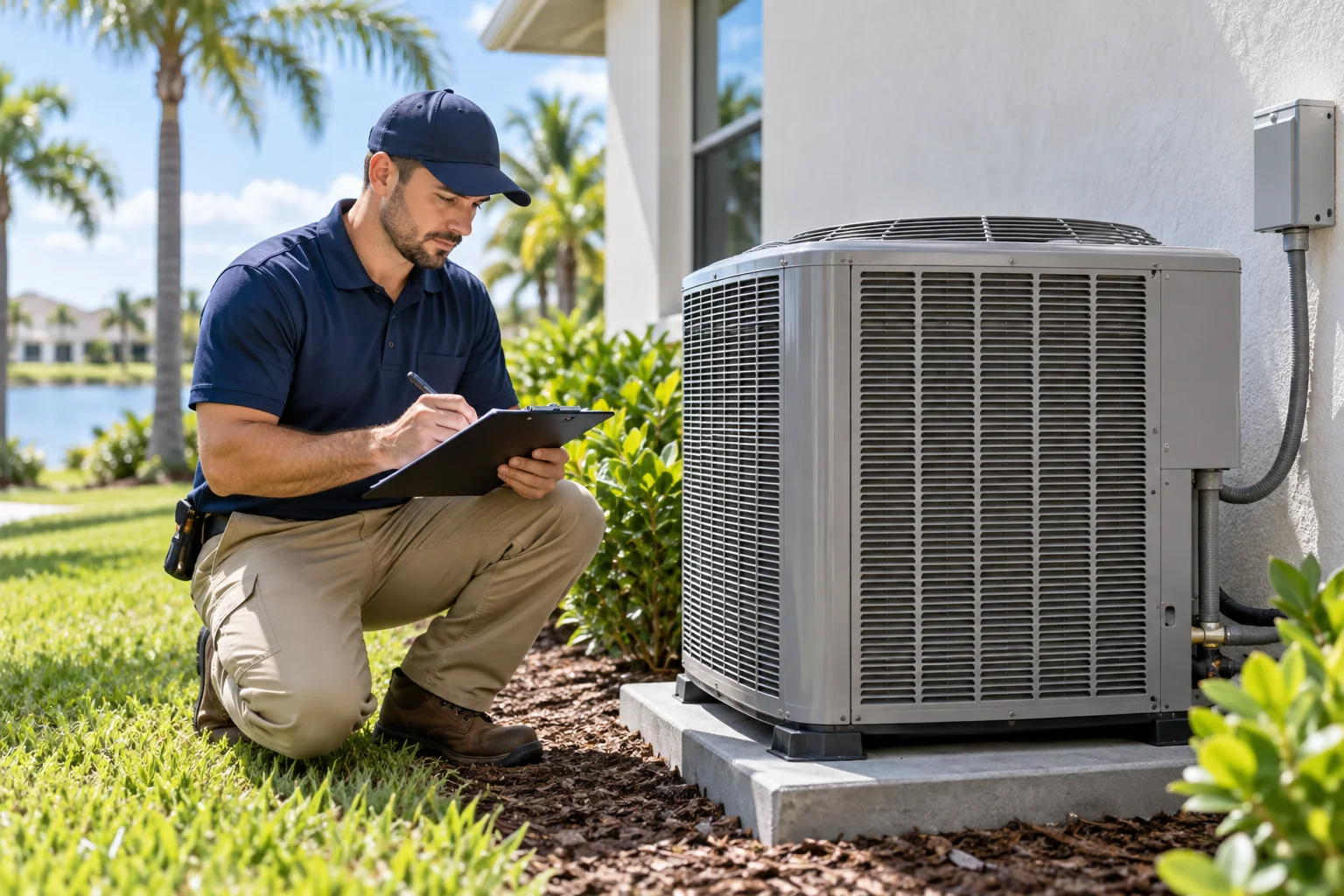
Mitsubishi Electric Heat Strip Replacement in Treasure Island
If your Mitsubishi Electric heating system is not keeping the home comfortable, a heat strip may be one possible issue—but not every Mitsubishi Electric system has heat strips. The first step is to identify the equipment and confirm whether it uses compatible electric auxiliary heat. If it does, a technician can inspect the circuit and determine whether replacement is appropriate, or whether another part of the system needs attention.
Velocity Air Conditioning provides 24/7 service availability, including nights and weekends. Qualified same-day or next-available dispatch may be available, depending on scheduling and parts availability. There is no extra charge for nights or weekends.
Does Your Mitsubishi System Use Heat Strips?
Heat strips are electric resistance elements that can provide supplemental heat in some heating systems. They are not the heat pump itself, and their presence should not be assumed from the Mitsubishi Electric name alone. Some compatible ducted configurations may use electric auxiliary heat; many wall-mounted ductless systems do not use conventional heat strips.
Before discussing replacement, a technician should identify the indoor and outdoor equipment, model numbers, and system configuration. The technician can then check manufacturer information and determine whether an auxiliary heat kit is installed and whether a replacement part is approved for that setup. A heat strip that is unsuitable for the system can create electrical, control, or airflow problems.
Symptoms That Call for an Inspection
Contact a technician if the system provides little or no heat, auxiliary heat appears to run unusually often, airflow feels different, or a breaker trips during a heating call. These observations can help describe the problem, but none of them proves that a heat strip has failed. A thermostat setting, restricted airflow, an electrical connection, a control or staging issue, or a heat-pump problem may produce similar symptoms.
Higher electricity use by itself also does not identify the cause. A system may use auxiliary heat under certain operating conditions, but a bill cannot show whether an element, control, or another component is defective. Note when the issue occurs, what the thermostat displays, and whether the system starts, stops, or trips a breaker. This information can help guide an inspection without attempting a diagnosis at home.
What a Technician Checks Before Replacement
Heat strips involve electrical components and should be inspected by a qualified HVAC technician. The technician can verify whether the system calls for auxiliary heat, inspect the installed equipment and wiring, and test relevant controls and electrical components. Depending on the system and symptoms, the inspection may include the elements, sequencer or relay, thermostat signals, breaker, connections, and airflow. A failed part should be identified through appropriate testing rather than inferred from a symptom.
If a heat strip is defective, the technician should confirm the correct voltage, capacity, staging, and compatible replacement using the equipment details and manufacturer guidance. The replacement may be an element or a compatible assembly, depending on the design and the inspection findings. If testing points instead to a control, wiring, airflow, or heat-pump issue, replacing the strips alone may not resolve the problem.
After authorized work, the technician should check operation and staging, confirm that the system runs as intended, and document the service. If the inspection also requires refrigerant work, that handling should be performed by EPA-qualified personnel.
What Homeowners Can Safely Do
You can check the thermostat mode and setpoint, make sure supply and return vents are not blocked, and inspect or replace the air filter according to the equipment instructions. Write down any display messages and when the problem happens. These observations are useful, but they do not establish which component has failed.
Do not remove an electrical access panel, touch heating elements or wiring, or attempt to test voltage. If a breaker trips repeatedly, do not keep resetting it. If you notice smoke or a burning smell, stop operating the system if it is safe to do so and contact a technician. Electrical diagnosis, component testing, and replacement belong to a qualified professional.
Replacement Parts and Warranty Considerations
Where available and compatible with the specific equipment, genuine Mitsubishi Electric parts can be considered for replacement. Parts must still match the system configuration; a brand name alone does not establish compatibility. The technician should verify the applicable part information before installation.
Warranty coverage depends on the equipment, the terms in effect, and the circumstances of the repair. Ask the technician to review the equipment information and document the work. Using genuine parts where appropriate and keeping service records can support warranty-aware maintenance, but no repair should be represented as automatically preserving or satisfying a particular warranty.
Scheduling in Treasure Island
When arranging service, have the indoor and outdoor model numbers available if you can read them safely, along with a description of the symptoms and any thermostat message. Do not open equipment to find a label. Sharing whether the system is ducted or wall-mounted can also help the team determine what configuration may be present, though an on-site inspection may still be needed.
Velocity Air Conditioning offers 24/7 availability, including nights and weekends, with qualified same-day or next-available dispatch depending on scheduling and parts availability. There is no extra charge for nights or weekends. Timing for a completed replacement depends on the inspection, system compatibility, and access to the correct part.
Frequently Asked Questions
Can every Mitsubishi Electric system have heat strips replaced?
No. A heat strip must be installed as part of a compatible system configuration. Some ducted setups may use auxiliary electric heat, while many wall-mounted ductless systems do not use conventional strips. The equipment model and configuration need to be checked before replacement is planned.
Does weak heating mean the heat strips have failed?
No. Weak heating can have several causes, including settings, airflow, controls, electrical components, or a heat-pump issue. A technician needs to inspect and test the system to determine whether heat strips are present and whether they are the source of the problem.
Should I keep resetting a tripped breaker?
No. A repeated trip is a reason to stop resetting it and arrange a professional inspection. Do not open the electrical compartment or attempt to identify the fault yourself.
How do I prepare for a service visit?
Note the symptoms, thermostat display, and when the issue occurs. You can check the thermostat setting and filter without opening the equipment. Leave electrical testing and component access to the technician.