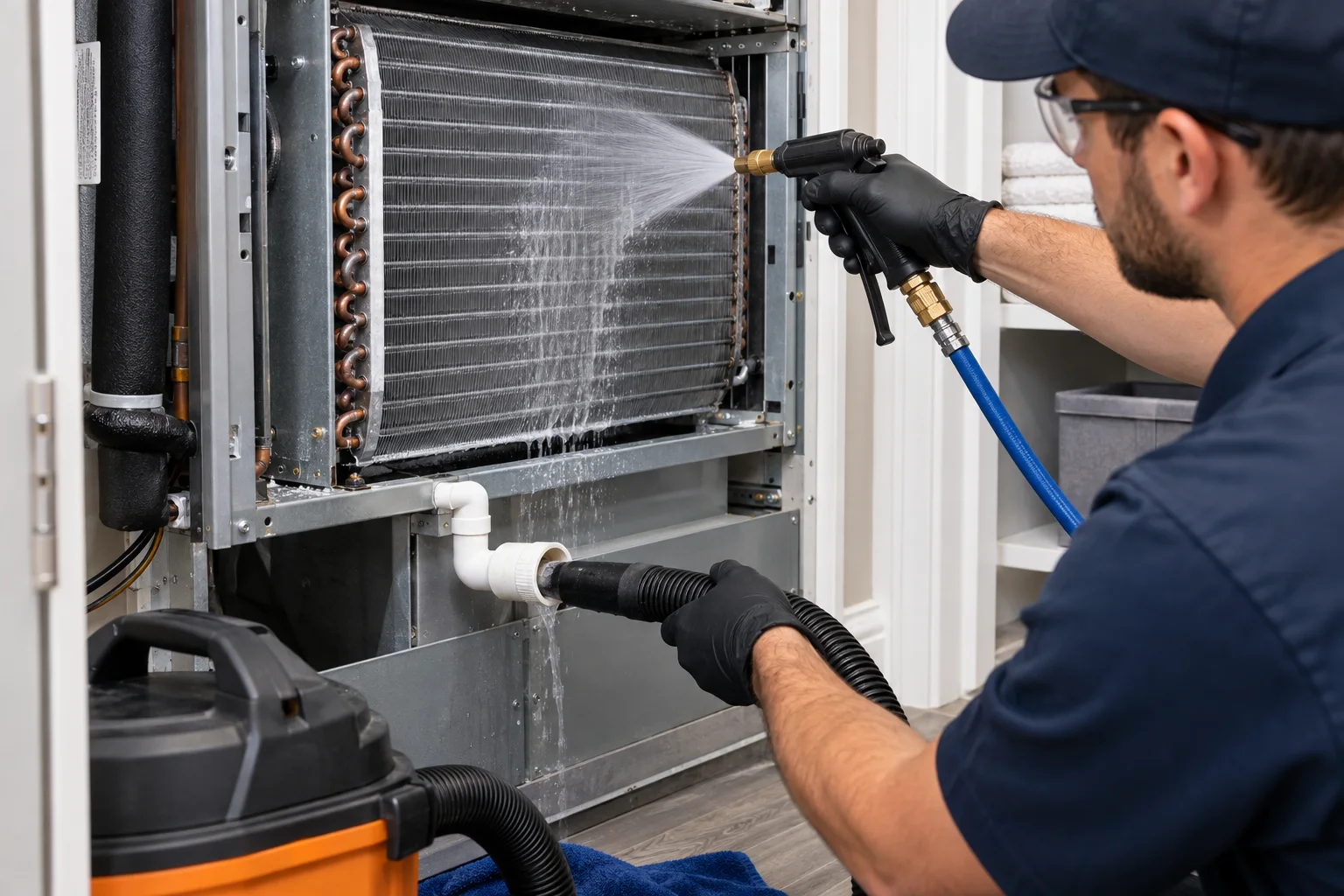
Payne emergency furnace repair in Palm Harbor
A furnace that stops heating, shuts down repeatedly, or develops an unusual odor needs careful attention, not a guess about which part has failed. The same symptom can have several causes. A technician should inspect the equipment, confirm what is happening, and explain the findings before recommending a repair.
Velocity Air Conditioning offers qualified 24/7 availability, including nights and weekends, for emergency service. Qualified same-day/next-available dispatch depends on scheduling and service conditions; ask what timing is available when you call. There is no extra charge for nights or weekends. If the situation is not immediately dangerous, describe the symptom and equipment information so the visit can be prioritized appropriately.
First confirm what type of system you have
“Payne” identifies a brand, not the exact equipment or the cause of a heating problem. Check the unit’s model and serial information, if it is safely visible, and note whether the equipment is a furnace or a heat pump. In Palm Harbor, a homeowner may refer to a system as a furnace even when the home is heated by a heat pump. The outdoor unit and equipment nameplate can help a technician identify the system, but do not remove panels to look for them.
When scheduling, share the model information if available, whether the system runs at all, what the thermostat displays, and when the problem began. Mention any recent maintenance or repair, unusual sound or odor, and whether the problem is constant or intermittent. These observations help direct the service visit; they do not establish which part has failed.
Safe checks you can make before the visit
Only check controls and areas that are readily accessible. Stop if you see damage, smell gas, or would need to remove a panel or reach into the equipment.
- Thermostat: Confirm it is set to heat, the temperature setting is above the room temperature, and the display is on. If the thermostat uses batteries, check them only as described in its instructions.
- Airflow: Look for a visibly blocked return grille or closed supply vents. If the filter is accessible without opening the furnace, check whether it is heavily loaded and follow the equipment instructions for replacement.
- Power: From a safe location, note whether the equipment appears to have power and whether a breaker has tripped. Do not repeatedly reset a breaker. If it trips again, leave it off and arrange service.
- System behavior: Note whether the indoor blower starts, whether the equipment starts and stops, and whether any status light or thermostat message is visible without removing a cover. Record what you observe rather than interpreting it as a diagnosis.
Do not open electrical panels or furnace access panels, handle gas connections, bypass a safety control, or attempt to light equipment unless the manufacturer’s instructions specifically describe a homeowner procedure for your model. Do not handle refrigerant. If there is a strong or persistent burning odor, smoke, sparking, or a repeated breaker trip, turn the system off if you can do so safely and request qualified service. If you smell gas, leave the building without operating switches and contact emergency services or the gas utility from a safe location. If a carbon monoxide alarm sounds, leave and call emergency services.
What an emergency furnace diagnosis should cover
After confirming the equipment type and the reported problem, the technician should check the conditions relevant to that system and explain what the results show. Depending on the equipment and symptoms, inspection may include the thermostat and controls, power supply, airflow, blower operation, ignition and flame-sensing components, gas and venting conditions, safety controls, and the heat exchanger. These are technician tasks; a noise, odor, shutdown, or error indication by itself does not prove a specific component has failed.
Ask what test or observation supports the proposed repair, whether another condition could cause the same symptom, and whether the repair addresses the underlying cause or only a related issue. If the equipment is a heat pump rather than a furnace, the diagnostic path is different. Refrigerant handling should be performed by EPA-qualified technicians. A clear recommendation should identify the equipment inspected, the work proposed, and any relevant alternatives before you approve the work.
Parts, warranty, and repair choices
For a Payne repair, the model number matters when checking component compatibility. Ask whether genuine Payne parts are being used, or whether another compatible part is proposed, and have the choice explained. Parts availability and compatibility should be confirmed for the specific model rather than assumed from the brand name alone.
Ask whether the equipment or a prior repair may still be covered by a warranty. A warranty-aware recommendation should explain any relevant coverage considerations and whether the proposed work could affect them; confirm the applicable terms before authorizing a repair. Keep the service findings and invoice with your equipment records.
Repair versus replacement depends on the equipment’s condition, repair history, availability of suitable parts, comfort, and the scope and cost of the proposed work. One failure does not automatically mean the whole system should be replaced. If replacement is raised, ask why repair is not suitable and request a separate explanation of the replacement scope so you can compare the options.
When to request urgent service
Request prompt help if the furnace will not operate, repeatedly shuts down, or cannot maintain a safe and comfortable indoor temperature. Treat a gas odor, carbon monoxide alarm, smoke, or suspected electrical hazard as an immediate safety concern rather than waiting for a routine appointment. When you call, explain whether anyone in the home is especially vulnerable to loss of heat and describe any safety warning signs.
Qualified 24/7 availability includes nights and weekends, but dispatch timing is qualified and may be same-day or next-available. Ask what is currently available and what to do while waiting. Do not run equipment that appears unsafe just to restore heat.
Questions to ask the technician
- What did you inspect, and what finding supports the diagnosis?
- Could another condition produce the same symptom?
- Is the proposed part compatible with this Payne model, and is a genuine Payne part available?
- Are there warranty terms I should check before approving the work?
- What should I monitor after the repair, and what would require another service call?
For Payne emergency furnace repair in Palm Harbor, share the system details and your observations, then ask for the inspection findings and proposed work to be explained before you approve a repair. This keeps the decision grounded in the actual equipment and its measured condition.