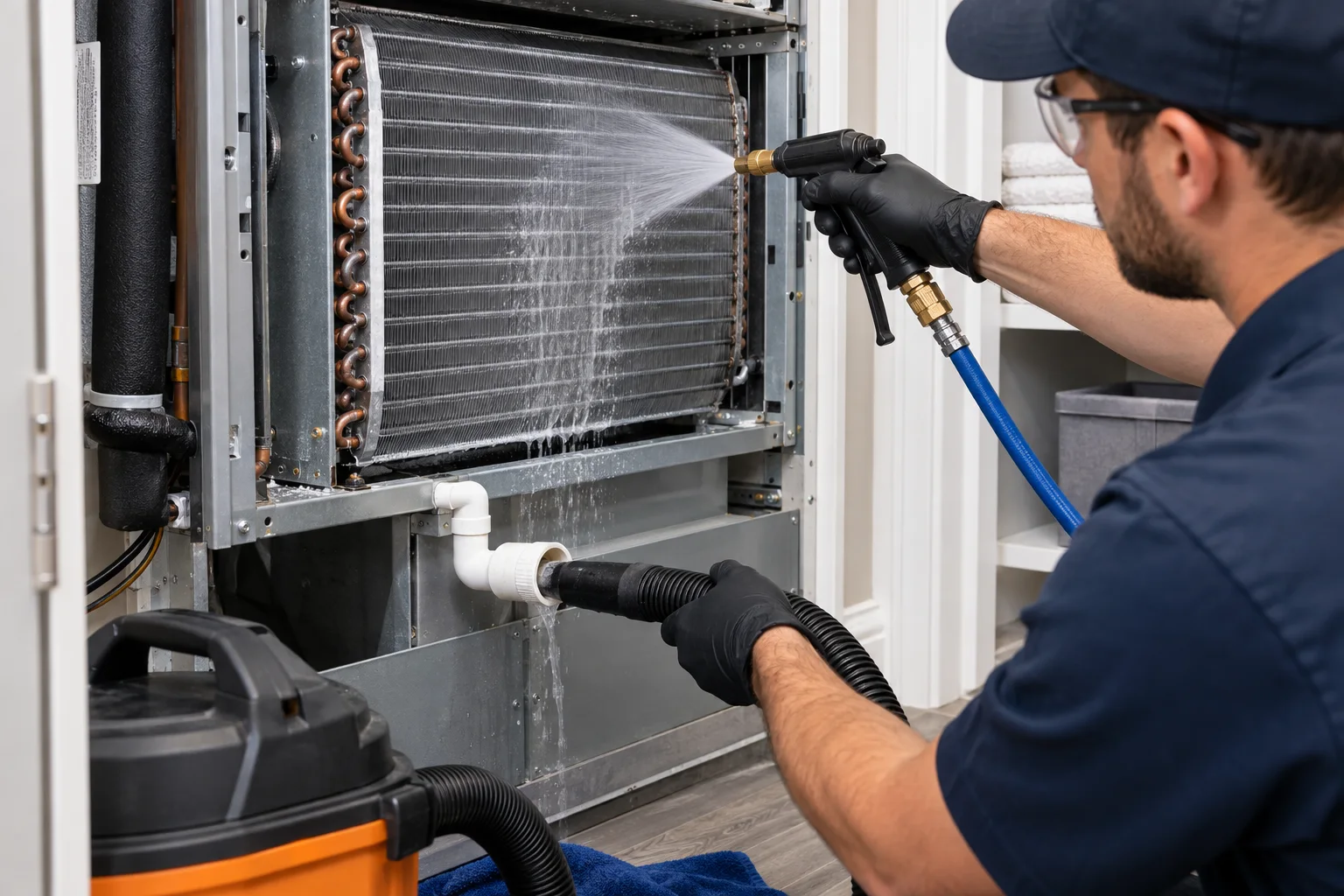
Ruud heat pump repair in Dunedin: diagnose the system, not just the symptom
A Ruud heat pump can provide both heating and cooling, but the same symptom can have several possible causes. Cool air from a vent in heat mode, uneven room temperatures, short cycling, or an outdoor unit that sounds different are reasons to gather information and arrange an inspection when needed. None of these symptoms alone proves that a particular part has failed.
Velocity Air Conditioning provides heat pump repair service in Dunedin. Service availability is 24/7, including nights and weekends. Qualified same-day or next-available dispatch depends on scheduling and the service situation; it is not a guarantee of a particular arrival time. There is no extra charge for nights or weekends.
What a Ruud heat pump technician needs to establish
Before recommending a repair, a technician should identify the equipment and confirm how it is operating. Ruud systems vary by model and configuration, so the model and serial information on the equipment label can help with parts and service planning. A brand name or display code by itself is not a diagnosis.
For a heating complaint, the inspection may include thermostat settings and controls, the indoor blower and airflow, accessible filter condition, the outdoor unit, and the system’s heating and defrost operation. Depending on the symptom and equipment, the technician may also test electrical components, sensors, the reversing valve, or refrigerant-system operation. These are possibilities to investigate, not a list of presumed failures.
Heat pumps can change operating modes to manage frost on the outdoor coil. During a defrost cycle, the system may briefly sound or operate differently, and vapor near the outdoor unit can occur. That observation does not establish whether the unit is functioning correctly. A technician can compare its operation with the model’s controls and measured conditions.
If the air feels cool in heat mode
First note whether the system is actually set to heat, whether the thermostat is calling for heat, and whether the air feels cool continuously or only during a brief operating change. Also note whether the indoor fan is running, whether the outdoor unit is operating, and which rooms are affected. These details give the technician useful context without requiring you to open the equipment.
Possible explanations range from a setting or airflow issue to a control, electrical, defrost, or refrigerant-system problem. The system may also be operating differently than expected because of its particular model or configuration. A technician should verify the complaint and test the relevant parts of the system before identifying a cause or recommending work.
If comfort is poor in only some rooms, mention that distinction. The cause may involve equipment operation, air distribution, ductwork, or more than one factor. Replacing a component without checking the complaint and the affected airflow may not resolve uneven comfort.
Safe observations to make before service
- Check that the thermostat is set to the intended mode and record its set temperature and any displayed message or code.
- Write down when the symptom occurs, how long it lasts, and whether it affects the whole home or particular rooms.
- Notice unusual sounds, odors, visible water, or changes in airflow from accessible supply registers.
- If the filter is designed for homeowner replacement and is safely accessible, check it and follow the equipment or filter instructions. Do not reach into the unit.
- Photograph the thermostat display and equipment label if they are accessible without removing a panel.
These observations can support scheduling, but they cannot confirm a failed part. Do not open electrical compartments, handle refrigerant, test live wiring, bypass a safety control, or remove equipment panels. Refrigerant work should be handled by an EPA-qualified technician.
When to stop using the system and seek help
Turn the system off and arrange professional service if you notice a burning odor, exposed wiring, repeated breaker trips, active water damage, or another unsafe condition. Do not keep resetting a breaker that trips, and do not attempt to restore operation by bypassing a switch or control. If the concern involves refrigerant, do not touch refrigerant lines or try to locate or repair a leak yourself.
If there is no immediate safety concern but the heat pump is not maintaining comfort, record what it is doing and request an evaluation. The appropriate next step depends on the observed condition and what testing finds.
What to expect from a Ruud heat pump repair visit
A useful service visit connects the reported symptom to inspection findings. The technician should identify the equipment, confirm the operating complaint, and explain which checks are relevant. Depending on the results, that may include measuring airflow, checking controls and electrical operation, inspecting the indoor and outdoor sections, or evaluating refrigerant-system performance. The scope should fit the actual finding rather than assume that every possible test or repair is needed.
Ask what was tested, what the results indicate, and how the proposed work addresses the symptom. If a part is recommended, ask how the technician determined that it is implicated and whether other conditions could also affect performance. EPA-qualified refrigerant handling is appropriate when refrigerant work is needed; homeowners should not handle or release refrigerant.
When a replacement part is proposed, ask whether it is a genuine part suited to the exact Ruud model and how the work relates to any applicable equipment or parts warranty. Warranty coverage depends on the specific equipment and terms, so it should be checked rather than assumed. Keep service documentation and ask for the findings and recommended scope in writing.
Scheduling Ruud repair in Dunedin
When requesting service, provide the Ruud model information if it is safely available, the thermostat message or code, the symptoms, and any safety concern. Mention whether the issue is heating, cooling, or both, and whether the outdoor unit is running. This information can help with dispatch planning; it does not replace on-site diagnosis.
Velocity Air Conditioning offers 24/7 availability, including nights and weekends, with qualified same-day or next-available dispatch depending on scheduling and the situation. There is no extra charge for nights or weekends. Ask about the expected dispatch timing when arranging service, since availability does not mean a specific arrival time is guaranteed.
Repair or replacement?
A symptom by itself is not enough to decide whether a Ruud heat pump should be repaired or replaced. Consider the confirmed condition, equipment age, repair history, parts availability, comfort, and the full scope of any proposed work. Ask the technician to explain the options and findings so you can compare them. If a repair is appropriate, confirm the part and work scope; if replacement is being considered, ask what equipment and installation scope are included.
Does a Ruud label identify the failed part?
No. The label helps identify the equipment, but diagnosis requires inspection and testing. A display code or symptom can guide those checks without proving a particular failure.
Can I check the refrigerant or electrical components?
No. Leave refrigerant handling, electrical testing, and equipment-panel work to qualified service personnel. Homeowners can safely report visible symptoms and accessible thermostat information without opening the unit.